
Most of us cram the pantry and close the door, thinking it’s just a storage closet. But small layout and habit tweaks can dramatically open your kitchen — and the tricks are simpler than you expect. Read the first 20 and you’ll start seeing old shelves as new space.
Clear, uniform containers for staples
It’s easy to toss a grocery bag onto a shelf and call it a day. But here’s what most people don’t notice: mismatched boxes and bags make shelves look crowded even when there’s room. That visual clutter makes the pantry feel smaller and makes you buy duplicates because you can’t see what you already have. Clear containers instantly reveal quantities. Professionals use them to spot running low items at a glance.
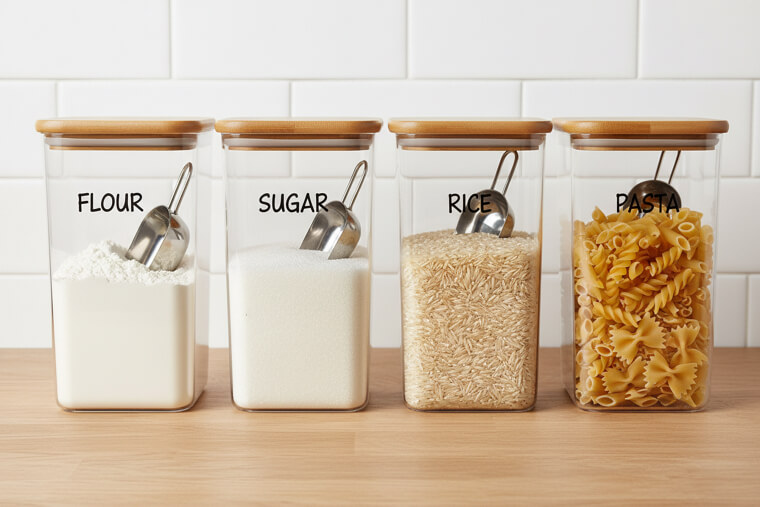
Swap bags for same-size clear canisters and keep scoops in each jar. And that visual tidy look sets you up for the next trick: labeling for speed.
Simple labels everyone can read
Most people reach for whatever jar without thinking. But here’s what helps: a clear label removes the tiny pause every time you open the pantry. Those pauses add up into time wasted and annoyed family members rifling through shelves. A short, readable label (large font, one word: “Rice,” “Flour”) saves seconds that become minutes each week. Use a cheap label maker or write-on removable labels so you can change contents quickly.
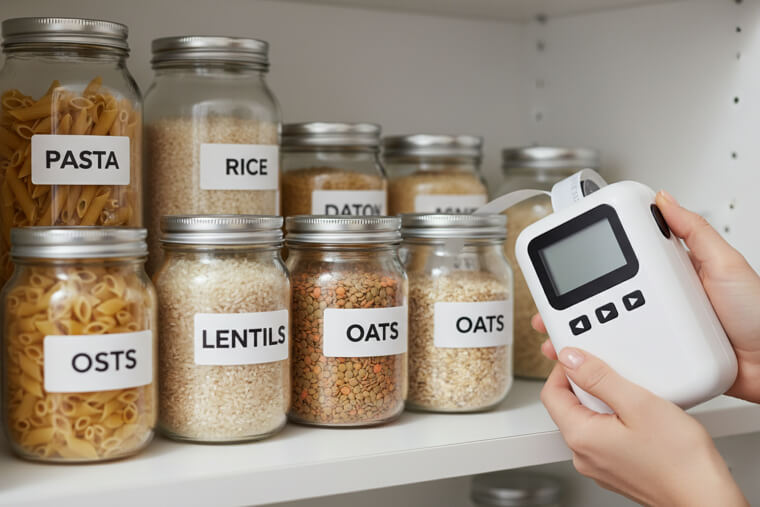
Once everything’s labeled, you’ll notice how much faster you find things — and that leads straight to better shelf layouts next.
Lazy Susan for corner and deep shelves
We all shove spices and bottles to the back because they’re hard to reach. But here’s the surprise: most of those forgotten items are still perfectly usable — and they clutter front space. Having to pull everything out to reach one jar wastes time and makes the pantry feel cramped. A turntable brings the back into reach without emptying the shelf. Chefs use them to keep items accessible and visible.
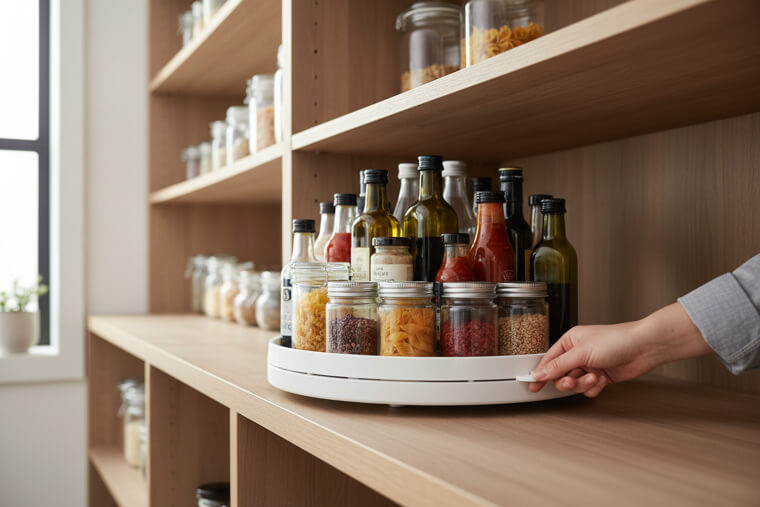
Place one or two Lazy Susans in deep corners for oils, sauces, and condiments. And that ease of access makes you more likely to keep things tidy — wait until you see a door-mounted solution next.
Use the pantry door: racks and hanging organizers
You probably walk past your pantry door dozens of times a day. But most people ignore the back of the door, which is wasted vertical real estate. That missed space can hold dozens of small items so your shelves aren’t overcrowded. An over-the-door organizer turns wasted space into organized storage almost instantly. Install a slim hanging rack for spices, snacks, or baking supplies.
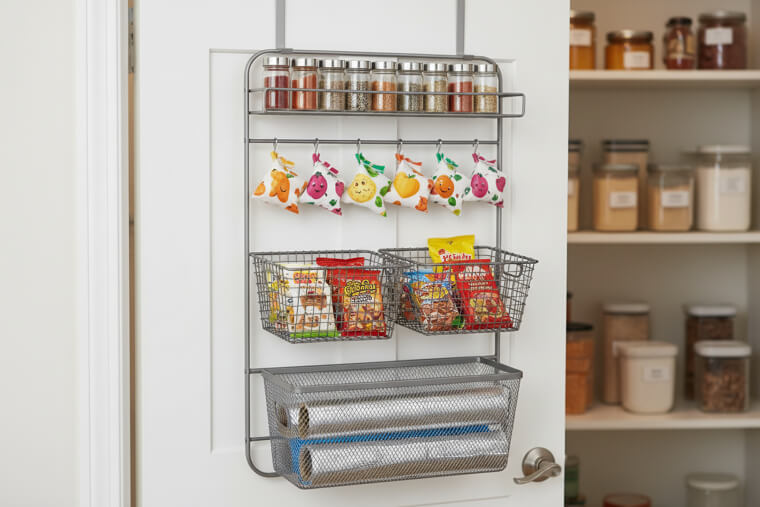
And when the shelves clear up, the whole pantry feels bigger — next, we’ll talk about arranging items by how often you use them.
Eye-level zone: put daily items front and center
You grab cereal, coffee, or tea the same few times each day. But most pantries mix everything together, so you rifle through shelves for familiar items. That extra motion makes the space feel chaotic and wastes time each morning. Grouping by frequency (everyday at eye-height, seldom-used above or below) reduces door time and keeps the kitchen flow smooth. Designate an “everyday” shelf and move those staples there.
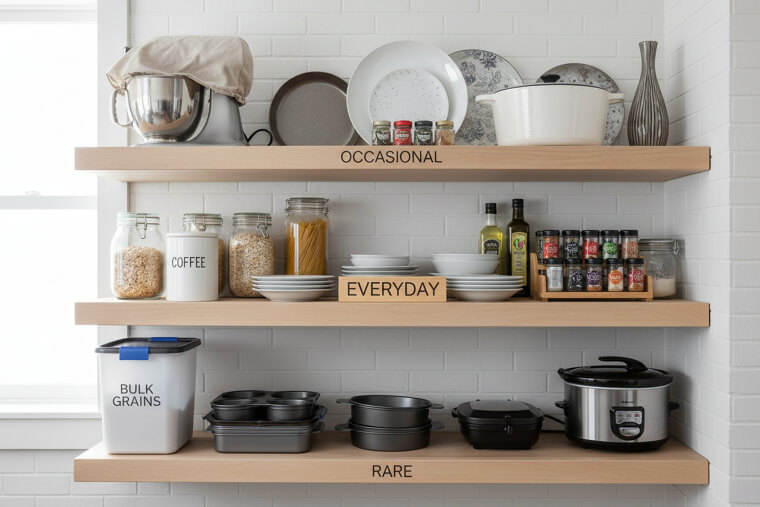
And that habit change is small — but the next hack frees up more room you didn’t know you had.
Stackable shelf risers to use vertical space
It’s tempting to stack things directly on top of each other. But here’s what people miss: shelves often have unused height above items. That vertical dead space hides a lot of potential storage. Ignoring it means fewer usable spots and a cluttered look. Shelf risers create layers so you can store items above without crushing what’s below — that’s why pro organizers use them.
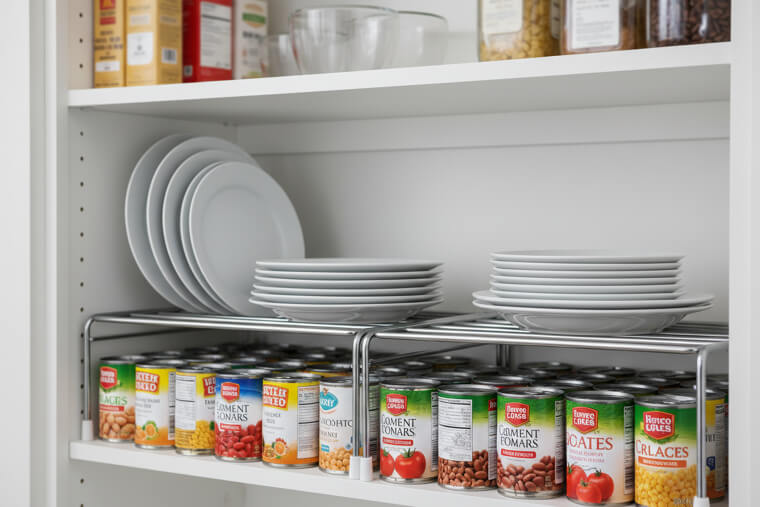
Add a few stackable risers for canned goods, bowls, or cereal boxes. And after that, you’ll want to see how tension rods make hidden niches useful.
Tension rods for tiny tiers and dividers
Those skinny gaps between shelves and the pantry wall look useless. But most people think they’re too awkward to use. Leaving them empty wastes inches that add up across a pantry. Tension rods can turn those gaps into holders for trays, lids, and spray bottles, saving shelf space. They’re cheap and adjustable, and pros use them for flexible, non-permanent organization.
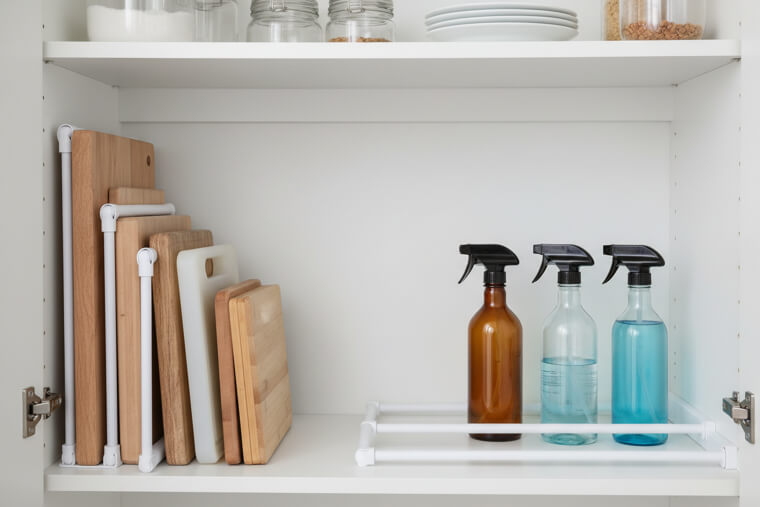
Install rods vertically for baking sheets and horizontally to hang small baskets. And once you see how many odd spots you can use, the next hack will keep baking tools tidy.
Turn cereal boxes into pour-friendly dispensers
You probably shove half-open cereal bags back into boxes. But that loose packaging makes shelves look messy and spills happen. Messy packaging wastes food and drives up cleaning time. By stabilizing bags or using simple dispensers, you reduce spills and stack more neatly. Cut down the original cereal box into a stable dispenser or move dry goods into pour-friendly containers.
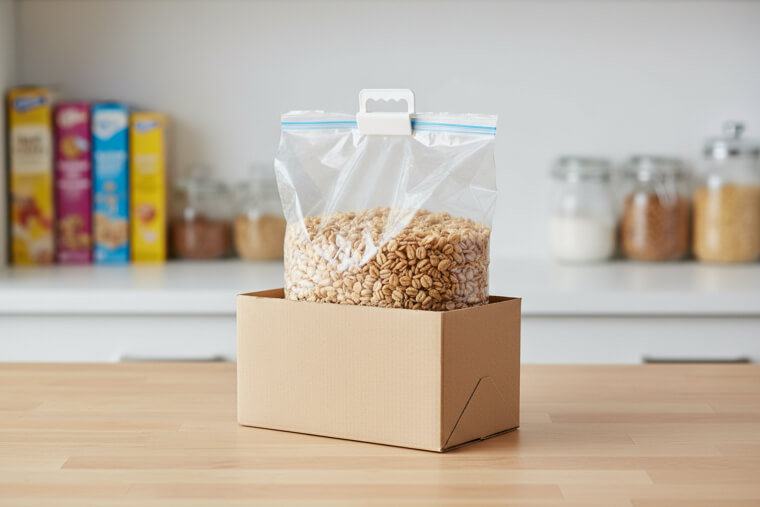
This small change keeps breakfast quick and the shelf tidy — next, we’ll look at a trick for flat items.
Store baking sheets and trays vertically
Most people stack baking sheets flat and grab them one by one. But that stack becomes a heavy, awkward pile that takes up deep shelf space. It makes accessing a single pan a hassle and reduces usable shelf depth. Storing pans vertically with dividers makes each item easy to grab and frees up horizontal space. Use simple wire dividers or an old magazine holder to stand sheets upright.
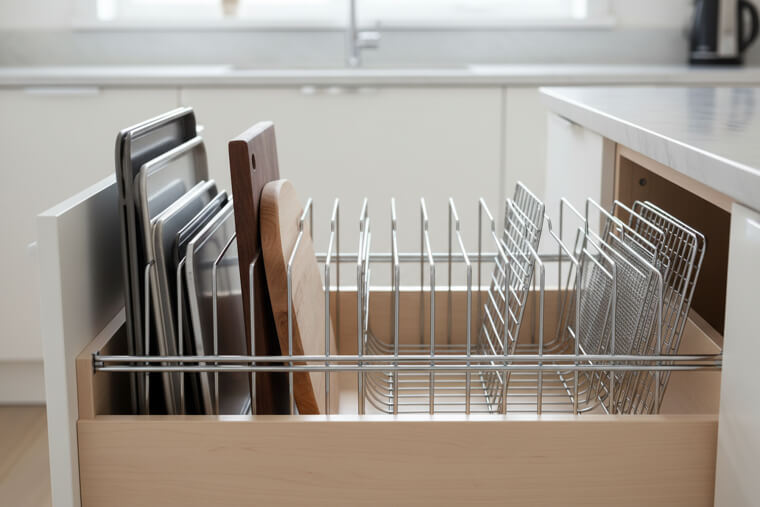
And freed-up horizontal shelves are perfect for larger containers — keep reading for how to use them.
Decant bulk goods into uniform bins
Buying in bulk saves money, but it often leaves you with odd-shaped bags. Most people cram the original packaging onto the shelf and end up with wasted gaps. That loose storage wastes space and makes measuring messy. Decanting into uniform bins stacks better, keeps food fresher, and creates a neat look that visually enlarges the pantry. Choose bins with tight lids and scoop access to preserve freshness.
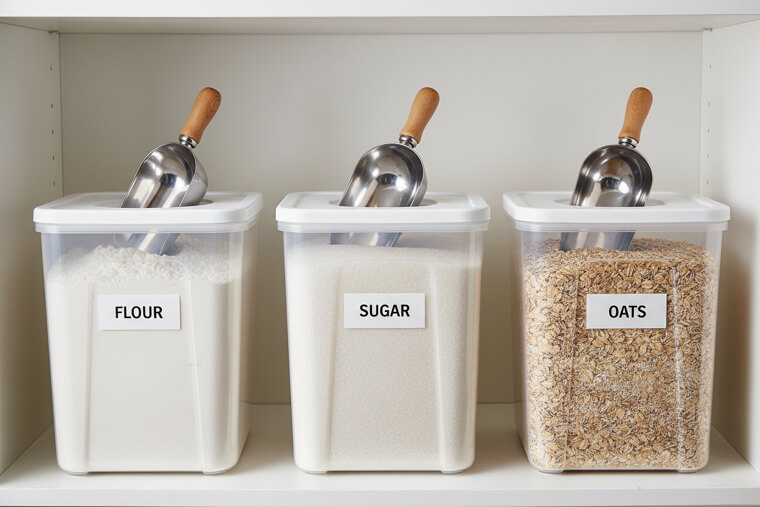
And when you decant, the next tip will help you use the newly freed shelf space smartly.
Under-shelf baskets double usable room
A lot of small items live in little pockets on shelves. But they take up prime horizontal space when spread out. Every inch they use reduces the perceived size of the pantry. Under-shelf baskets hang from the shelf above, creating hidden storage for packets, small cans, or kids’ snacks. They’re simple to install and act like an extra thin shelf.
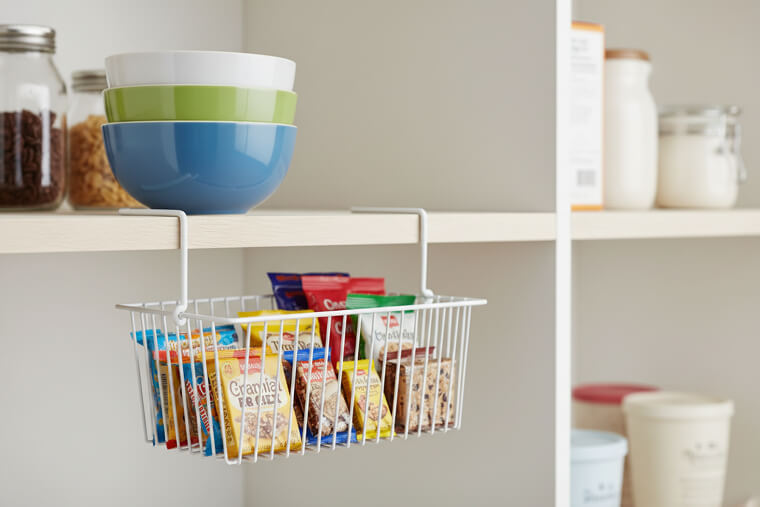
Once you’ve added baskets, you’ll see why rotating and dating food matters — coming up next.
Date and rotate to cut waste and clear space
We tend to tuck new boxes behind older ones. But here’s what usually happens: older food gets forgotten and goes to waste. Food waste empties your wallet and clutters shelves with expired items. Marking opened dates and putting newer items behind older ones forces rotation and prevents overflow. Write the open date on packaging or place older items front-and-center.
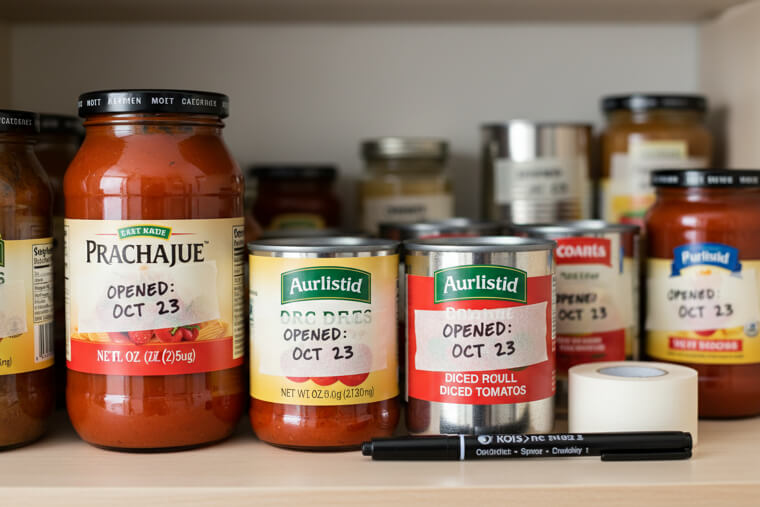
Clearing expired goods instantly frees room — and the next trick makes the freed space more useful.
Front-to-back slim baskets for cans and jars
Cans are heavy and often get shoved to the back. Most people stack and lose track of what’s behind. That hides inventory and leads to unnecessary repurchases. Slim baskets let you use shelf depth and pull items forward without digging. Place canned goods and tall jars in these baskets so you can see and reach everything.
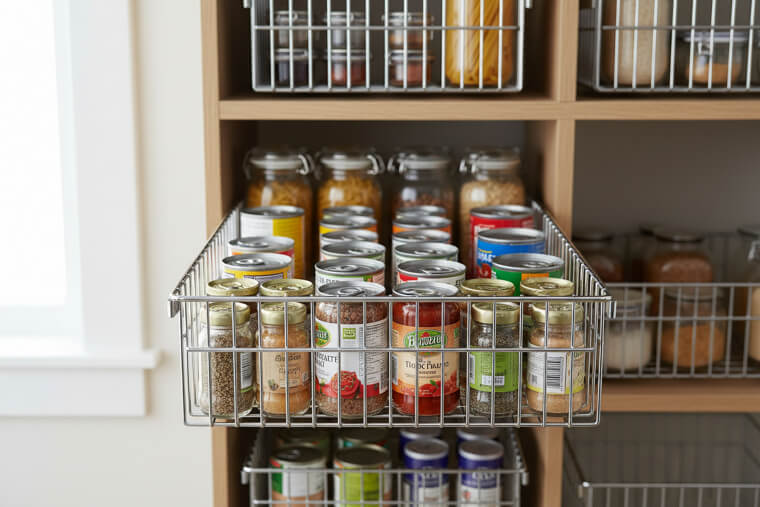
After you try that, magnetic spice storage will surprise you with more open shelf space.
Magnetic spice jars on the side walls
Spice racks take up precious shelf square footage. But most spice organizers sit on the shelf itself, eating prime space. That reduces room for larger items and makes the shelf look crowded. Using magnets moves spices to vertical side space, freeing the shelf and making spices easier to find. Attach magnetic lids or jars to a metal strip on the pantry side wall or door.
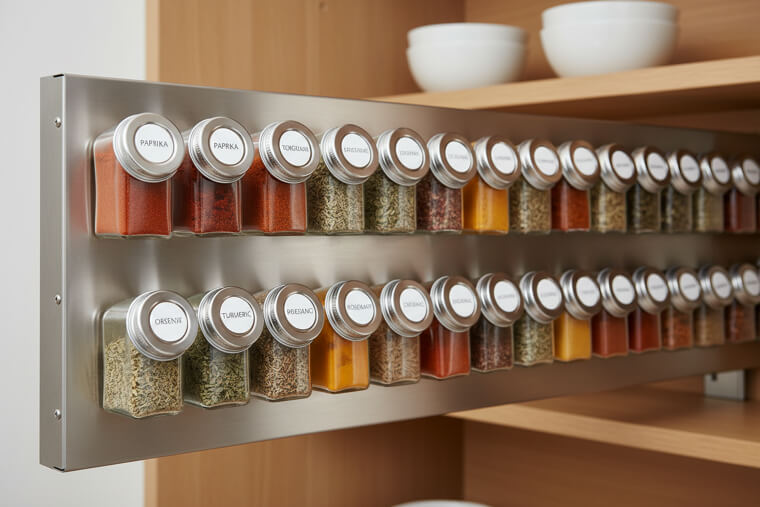
With spices off the shelf, larger items have room to breathe — next I’ll show a way to stack kinds of items neatly.
Multi-tiered shelf risers for plates and canned rows
Throwing plates and bowls into a shelf pile creates awkward gaps. Most people accept the wasted air above them. That wasted space reduces your total capacity. Tiered risers create horizontal layers so you store more without crowding. They keep dishes ready and cans arranged in sightline order.
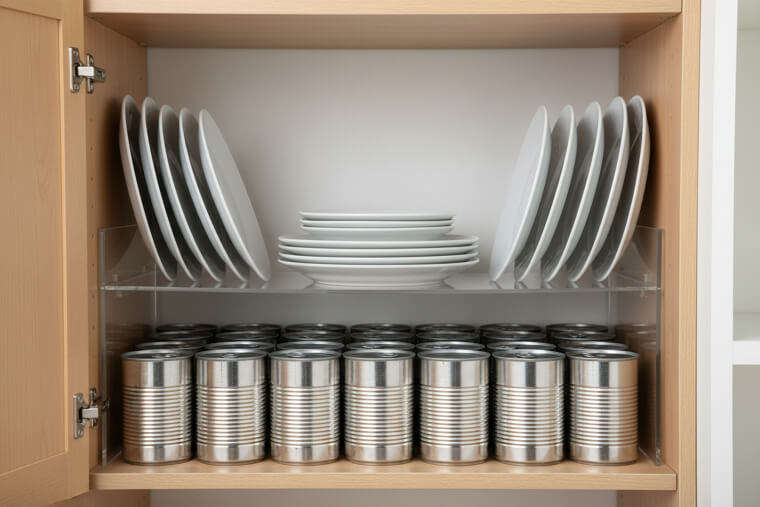
Install one or two risers and you’ll feel the shelf breathe — and the next tip keeps daily routines smooth.
Create an “everyday” grab-and-go bin
Each morning you probably open the pantry looking for the same few things. Most people rummage and end up leaving the door open longer. That longer door time cools the kitchen and creates mess. An “everyday” bin at a reachable spot holds morning and snack essentials so you don’t hunt. Keep it stocked and replenish weekly — it speeds prep and shortens pantry visits.
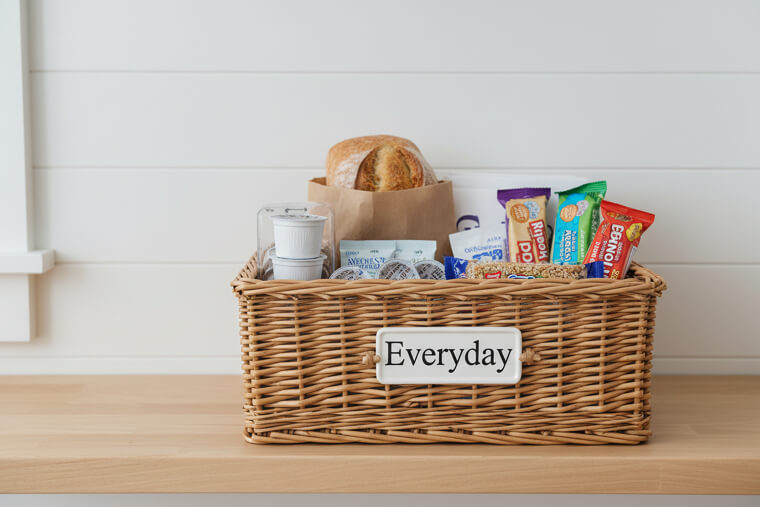
Once that habit is set, the sightline trick next will reduce visual chaos further.
Remove excess packaging for a uniform look
Groceries arrive in many packages: boxes, bags, bulky cartons. Most people leave them as-is, which creates a patchwork of shapes. That patchwork makes the pantry look smaller and disordered. Moving items into uniform containers simplifies the look and uses shelf depth efficiently. Take five minutes to decant snack bags and small packets into matching bins.
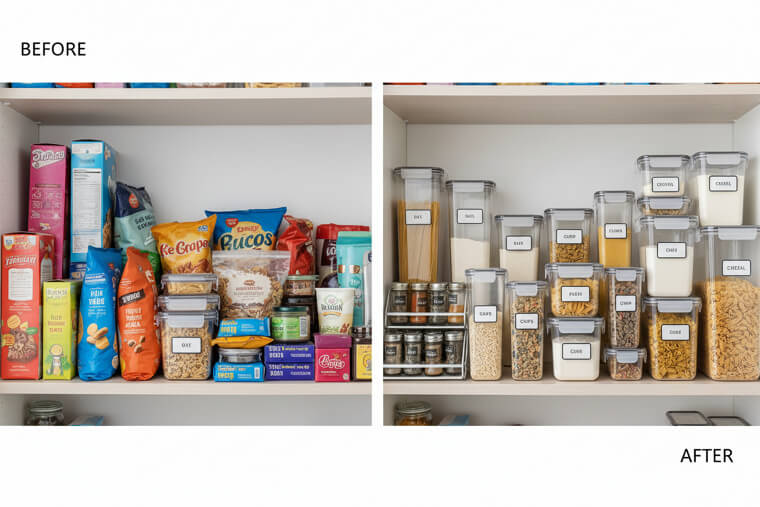
And when everything fits together visually, the space seems larger — but light makes a big difference too.
Add lighting to brighten and expand the space
A dark pantry feels closed-in even if it’s roomy. Most people accept the dim interior because rewiring feels hard. But poor light hides what you have and makes the space seem smaller. Bright, even light improves visibility and makes shelves look deeper. Stick-on battery LEDs or motion-sensor lights brighten without an electrician.
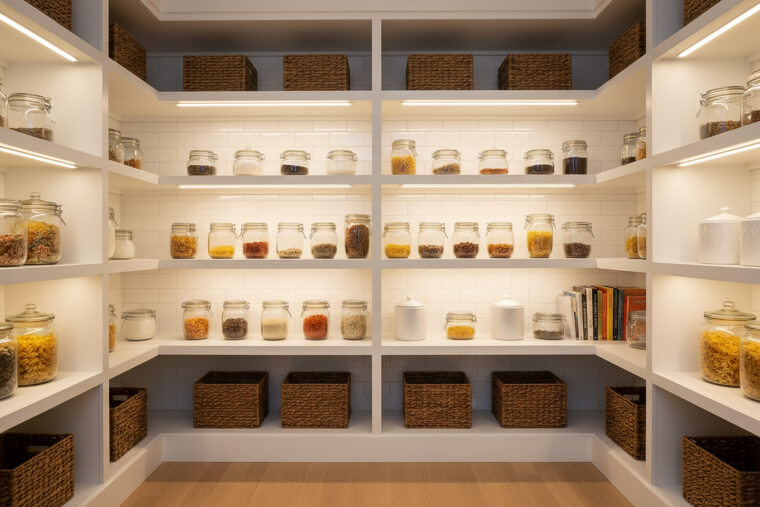
Turn on the lights and you’ll be amazed at how much bigger the space appears — next, we’ll fix the problem of accidental double buys.
Keep a visible inventory list on the door
You’ve probably bought things twice because you forgot what’s inside. Most households do, and it leads to cluttered shelves and wasted money. A small inventory list stops duplicate purchases and prevents overstocking. Write the essentials on a door-mounted dry-erase board or use a simple app to track what’s low. Less duplicate stock means fewer overflow items on the shelf.
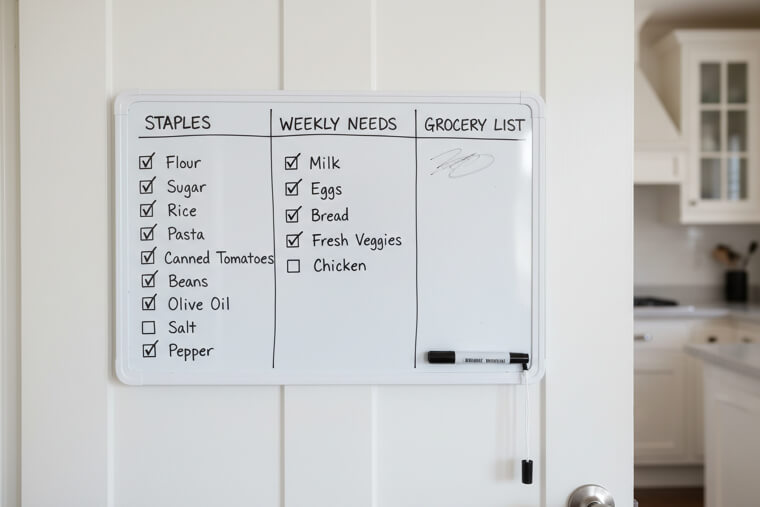
And with fewer extras, the kitchen will actually feel larger — which brings us to the last one: reduce chaos at your family’s eye level.
Create a kid-friendly, eye-level zone
Create a kid-friendly, eye-level zone
Lower pantry shelf with labeled baskets of snacks, cereal cups, and easy-open containers at child height with a small step stool beside it
Kids often pull out more than they return, leaving a mess. Many parents expect a perfectly tidy pantry without changing access. That mismatch creates repeated disorder and makes the whole space look chaotic. Giving kids a low, designated bin for their snacks keeps them independent and contained. Use low baskets with clear labels and teach a quick “put back” rule. When everyone can get what they need without opening every shelf, the kitchen feels calmer and bigger. Summary: You don’t need a remodel to make your kitchen feel larger — just better habits and a few inexpensive tools.
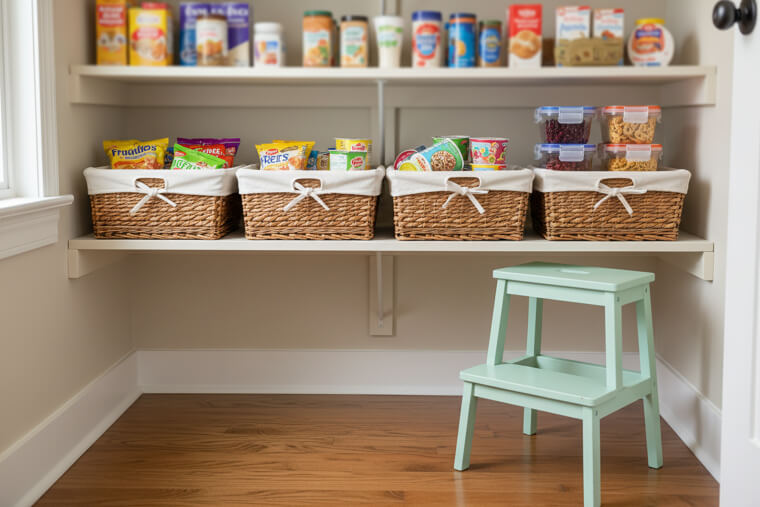
Small, consistent changes add up to more space, less waste, and a calmer morning routine. It’s not about cutting everything out; it’s about being aware and making your pantry work for you. Small changes make the biggest difference.
Flat baskets for fresh produce
It's easy to toss loose produce into a corner of the pantry and call it done. But those mixed piles bruise faster and steal shelf space by looking chaotic. That means more waste, more trips to the store, and a cupboard that feels cluttered. A flat basket keeps similar items together, lets air circulate, and makes it obvious when you’re low. Use two baskets — one for root vegetables and one for citrus — and stack them or slide them out.
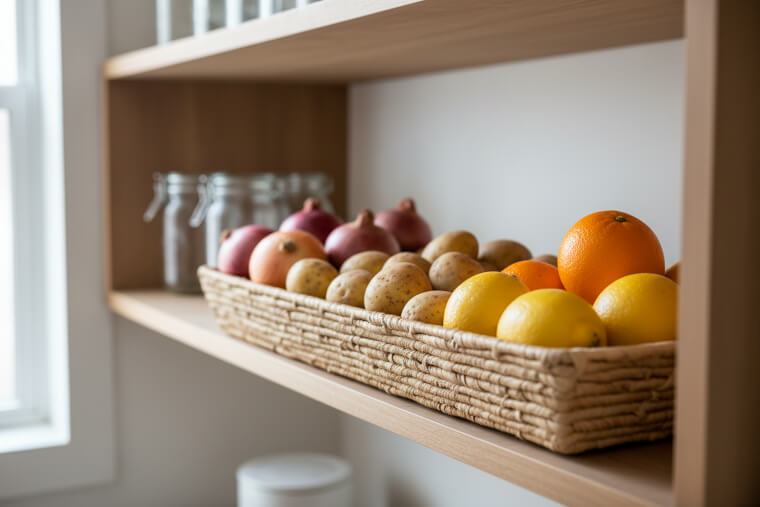
Wait until you see how a simple basket doubles the usable shelf visually.
Appliance garage or pull-out shelf
Most people leave small appliances on the counter because the pantry is a mess. But those counters make the kitchen feel smaller and busier. Leaving appliances out wastes visible space and makes daily clean-up harder. A pull-out shelf or a shallow “garage” keeps appliances hidden but accessible. Install one shallow drawer at a convenient height and slide appliances in when not in use.
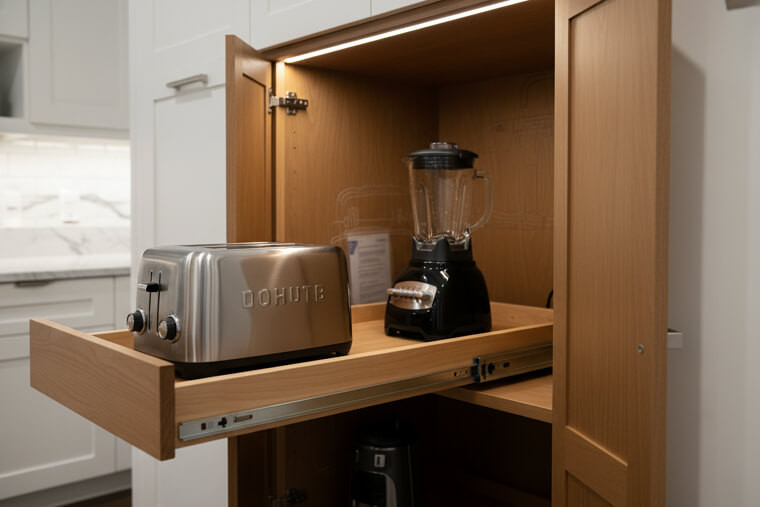
That hidden door will make the whole kitchen look calmer — and you’ll love the clear counters.
Magazine holders for pasta & packets
You’ve seen those magazine holders on desks — but not everyone thinks to put them in a pantry. Most people don’t realize vertical holders cut wasted sideways space and make things visible. Without them, boxes and packets tip over, hiding what you have and doubling shopping trips. Magazine holders keep tall or awkward packages standing, easy to grab and stackable side-by-side. Label the spine for "pasta," "sauce mixes," or "snacks" so anyone in the household can find things.
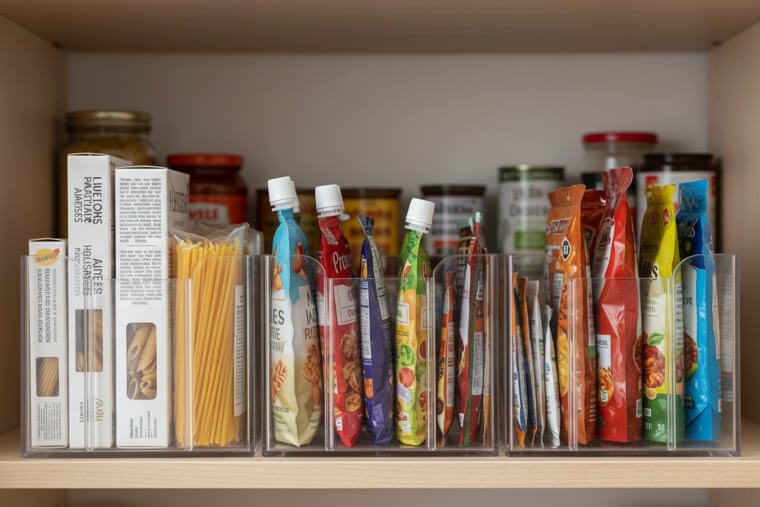
And that simple vertical trick makes crowded shelves read as organized shelves.
Install sliding drawers for deep shelves
Deep shelves swallow items at the back that you forget about. But here's the hidden problem: out-of-sight food becomes expired food. Expired items cost money and create mess when you finally find them. Sliding drawers bring everything forward so you can see and use it — like turning a deep shelf into many shallow shelves. A few inexpensive glide kits turn fixed shelves into pull-outs in an afternoon.
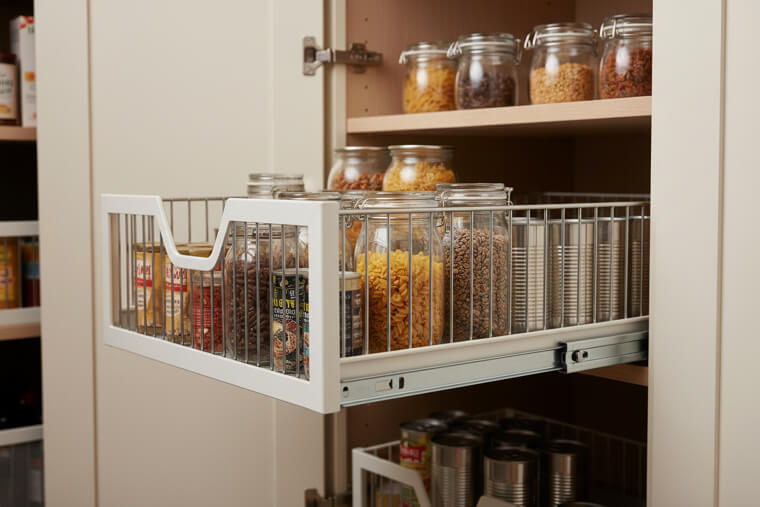
Once you pull everything forward, you'll never let things hide again.
Portable baking station on a tray
When you bake, you want everything in one place — but supplies often scatter across shelves. That scattering makes baking feel like a big production and discourages simple projects. A messy setup steals minutes and adds friction to the things you enjoy. A portable tray or low basket keeps baking essentials together and slides out for use. Keep flour, sugar, a measuring set and a few cookie sheets on that tray and slide it back when done.
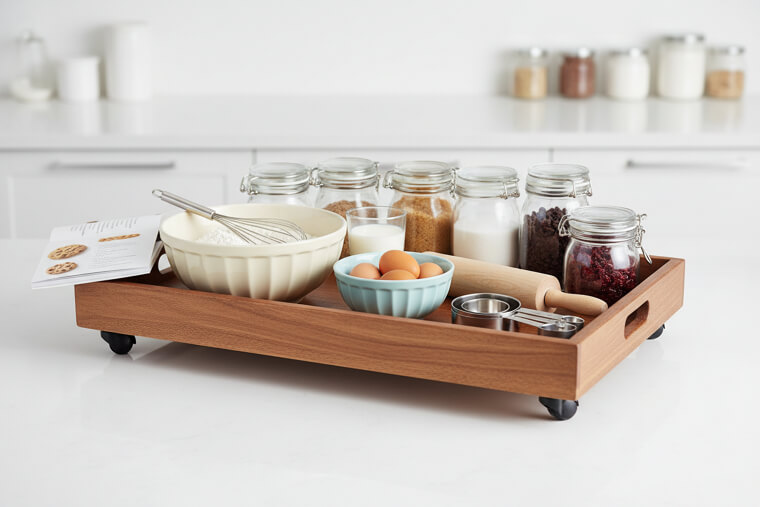
This small kit saves time and keeps measuring tools from wandering into other zones.
Under-shelf hooks for mugs and tools
You probably cram mugs into a cupboard or on open hooks by the counter. But wasted vertical underside space often goes unused. That unused space is usable real estate — and using it frees up shelf room. Attach simple hooks under a shelf for mugs, small strainers, or measuring spoons. It keeps things visible, dries quickly, and clears shelf surfaces for food.
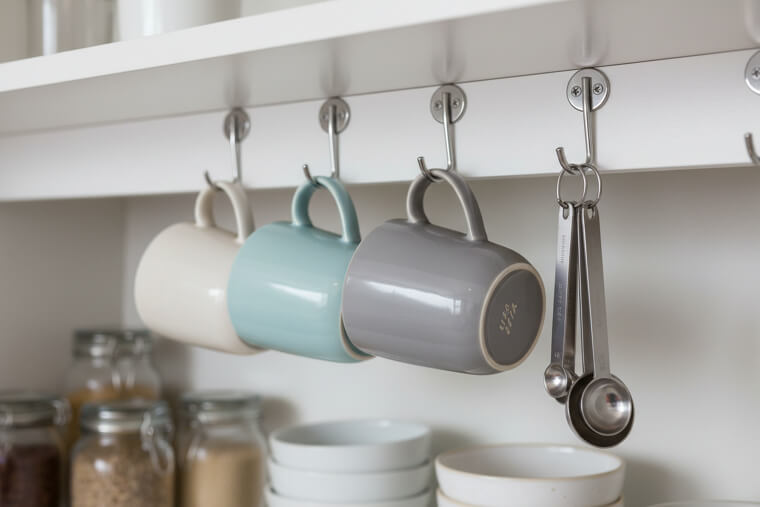
Try it and you’ll reclaim the small spaces you never thought to use.
Shoe organizer for snack packets
Snacks and small packets tend to spill into every crevice. That creates a jumble you don’t want to open or sort. Loose packets multiply visual clutter and make finding a single item slow. A clear-pocket shoe organizer converts the door into tidy pockets for single-serve goods. Label rows by type — bars, condiments, tea — and grab what you need without knocking jars.
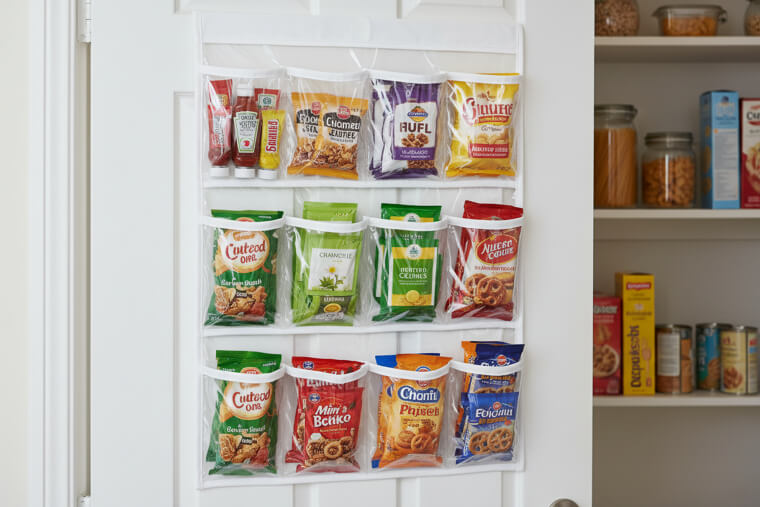
It’s an instant declutter and keeps little things from taking over shelves.
Pegboard inside the pantry for flexible storage
Fixed shelves force you to fit items to the space, not the other way around. But adjustable problems become big headaches when things don't fit. A pegboard lets you move hooks and baskets as needs change. It’s how pros keep tools reachable without building custom cabinets. Mount one on the pantry back wall to hang scoopers, small bins, or lightweight pots.
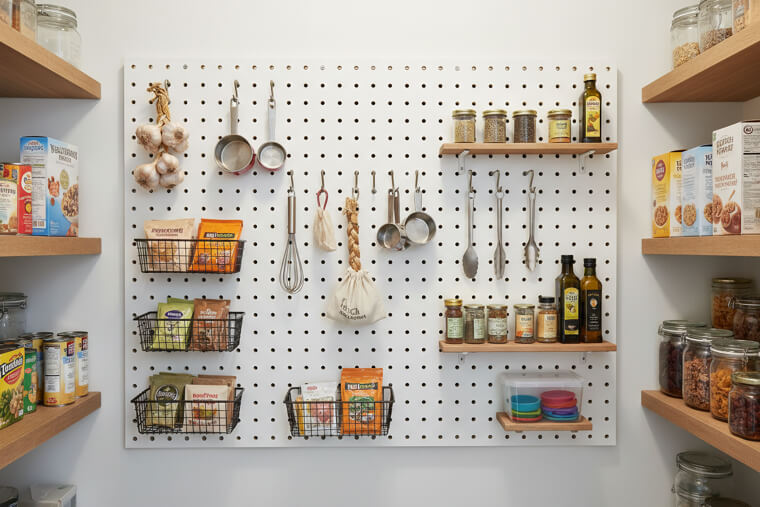
This turns a static wall into a flexible storage system you can tweak in minutes.
Meal-prep shelf with pre-portioned kits
Many of us stand in front of the pantry and say, "What can I make? "
Decision paralysis leads to takeout more than actual shortage. Pre-portioning ingredients into kits saves time and stops impulse buys. Pick a shelf for two or three favorite weeknight meals and store the dry components together. When you grab a kit, dinners happen faster and the pantry stays ordered.
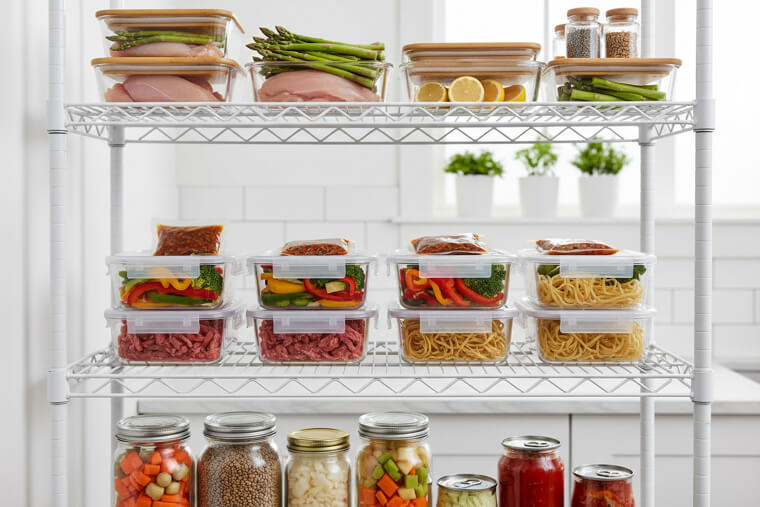
Once you try ready-to-cook kits, weeknights feel easier and the kitchen seems bigger.
Clear bins for “like with like” grouping
A jumble of items hides what you have and creates visual chaos. That chaos makes the whole kitchen feel smaller and more stressful. Grouping similar items in clear bins keeps them corralled and instantly visible. Pick three or four categories you use most and put everything of that type in a bin. Rotate contents as you restock so each bin stays tidy.
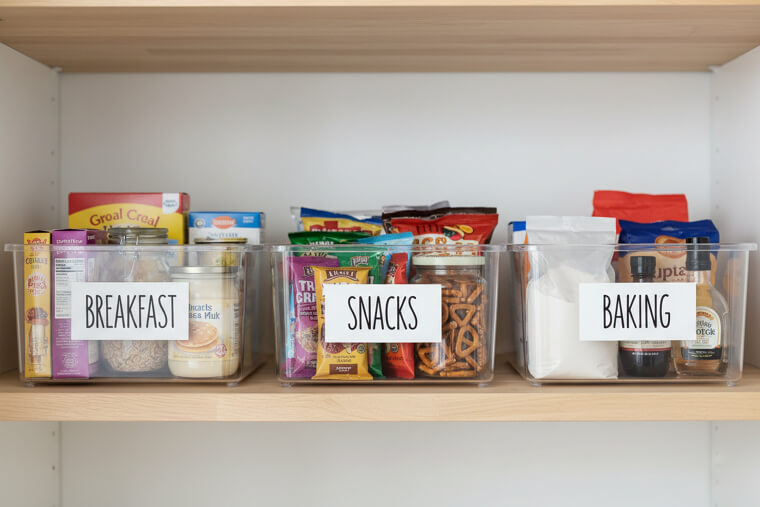
This small grouping trick gives your pantry a curated, roomy look.
Label shelf edges with short lists
You’ve labeled containers, but shelf edges are often forgotten. When the shelf itself is unlabeled, items wander and get misplaced. Misplaced items create double-handling and wasted time searching. Label the shelf edge with short lists of what goes there — one-line reminders like "Grains / Pasta. "
It helps everyone in the house put things back in the right place.
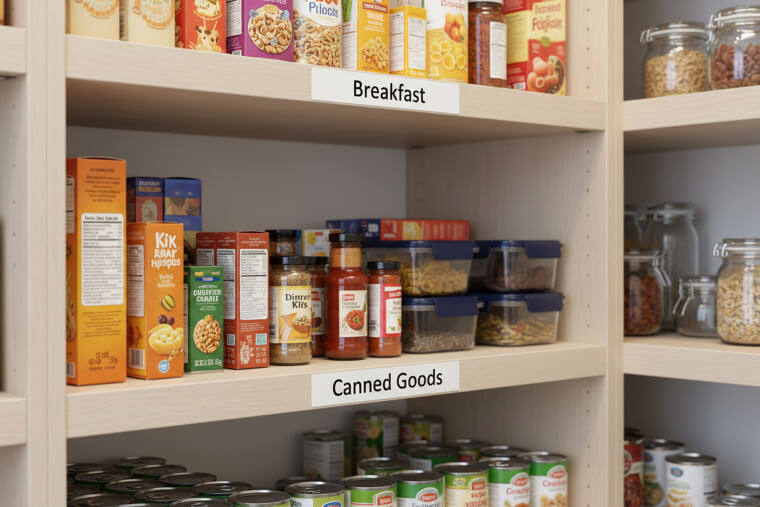
Once the shelf edge guides you, the pantry keeps itself neater.
Adjustable shelf clips for odd heights
Fixed shelf heights force you to leave awkward gaps above or below items. Those gaps look empty or get filled with junk that ruins the view. Adjustable clips let you change shelf spacing to match what you actually own. A few different heights for tall bottles, cereal boxes, and small jars makes a shelf efficient. Install clips and rearrange shelves in 15 minutes to fit everything snugly.
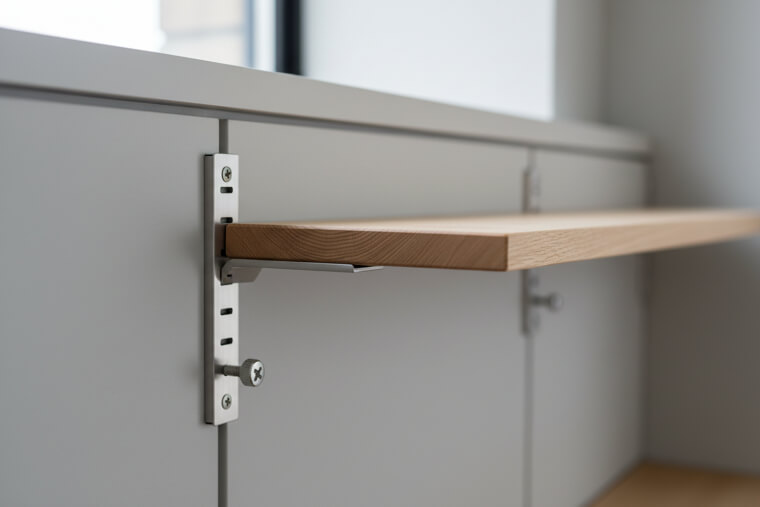
You’ll be surprised how much more usable space appears.
Vertical lid storage in a file rack
Lids sliding and clattering is a universal annoyance. That noise signals a space that’s not set up for containers. Vertical storage solves the problem: lids take up less room and match their bottoms easily. Use a simple file rack to stand lids on end, next to their matching containers. It saves time hunting for the right lid and keeps stacks tidy.
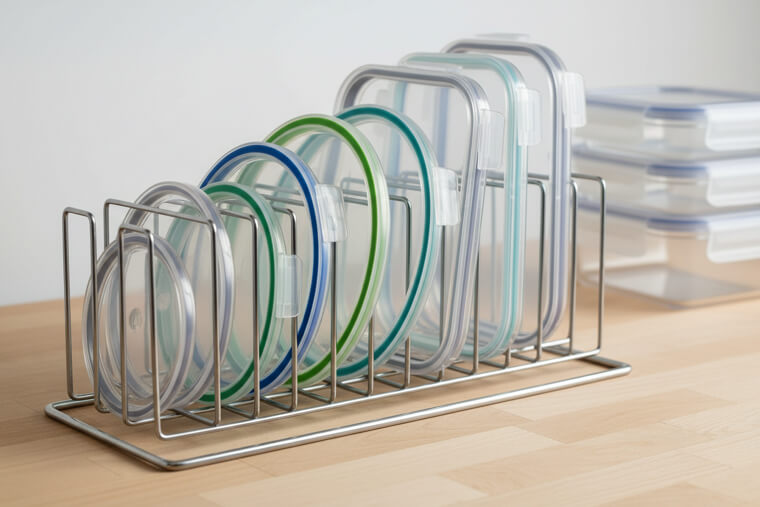
This small fix makes your storage system feel more professional.
Donate box in the pantry
We keep things "just in case" and they sit for months. That habit fills shelf space with low-value items. A visible donate box gives a place for duplicates, things you’ll never use, or long-expired items. When it’s full, schedule a quick drop-off — and don’t let it linger. Clearing out frees real estate and makes the pantry feel intentionally slim.
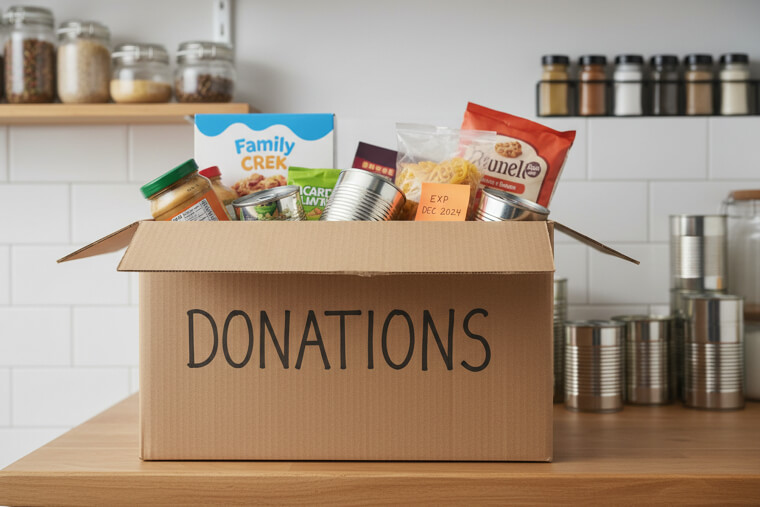
Put the box next to the door so removing items becomes a simple routine.
Keep tools and a slim broom inside
Pantry floors get crumbs, and small messes slow you down. Leaving cleaning tools elsewhere means spills sit longer. A slim broom and dustpan inside the pantry make quick cleanups immediate. Store them in a corner or hung on a hook to avoid taking up shelf space. Quick tidy-ups keep the space looking larger and more cared-for.
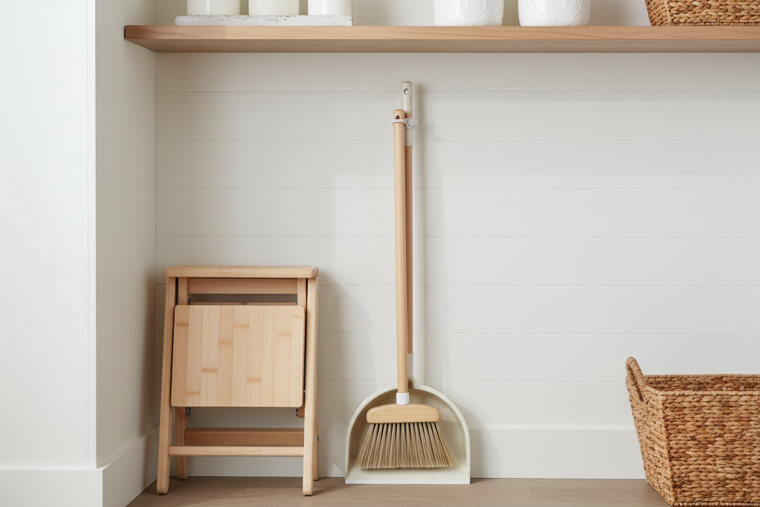
You’ll notice the difference after a single evening sweep.
Box seasonal items and store high
Holiday cookware and special serving pieces are bulky but only used occasionally. Many people let them take prime middle-shelf real estate all year. That wastes everyday space and clutters sightlines. Box seasonal items in clear bins and store them high where you can still reach with a step stool. Label each box with contents and the season so you only pull down what you need.
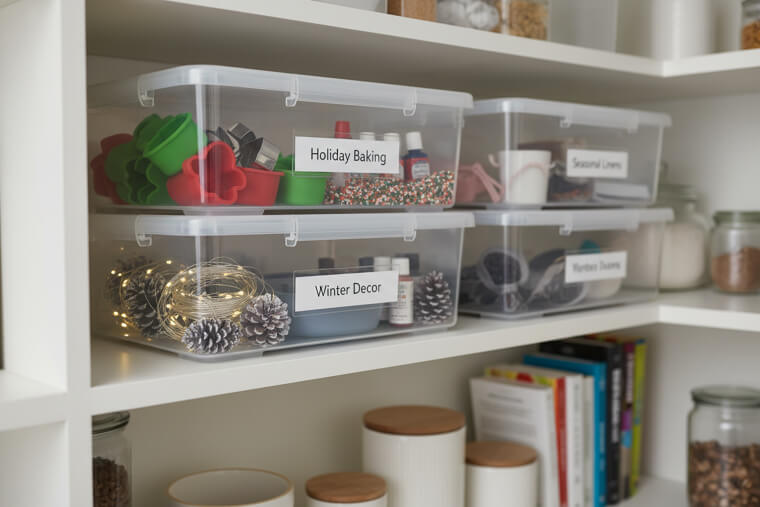
Freeing mid-level shelves makes daily items feel like the priority — and the pantry much more open.
Store heavy items low for safety and ease
You might stack heavy cans and jars up high to save room. But that creates an accident risk and makes lifting awkward. Keeping heavy items low protects backs, avoids spills, and makes restocking safer. Reserve the bottom shelf for large bottles, pet food, and bulk bags. Lighter, less bulky things go higher where you can see them.
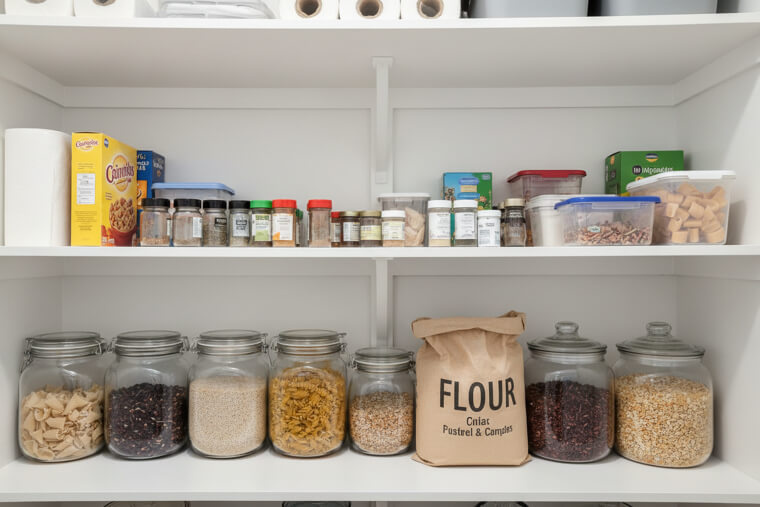
This safety-first swap makes the whole kitchen feel calmer and more usable.
Keep the pantry fresh: airflow and scent control
A musty-smelling pantry makes spaces feel smaller and unwelcoming. Many homes trap stale air behind closed doors without realizing it. Poor airflow speeds spoilage and creates odors that affect food quality. Use a few small charcoal sachets, a moisture absorber, or a tiny vent to keep air moving and neutral. Swap sachets seasonally and leave the door cracked after grocery runs to dry things out.
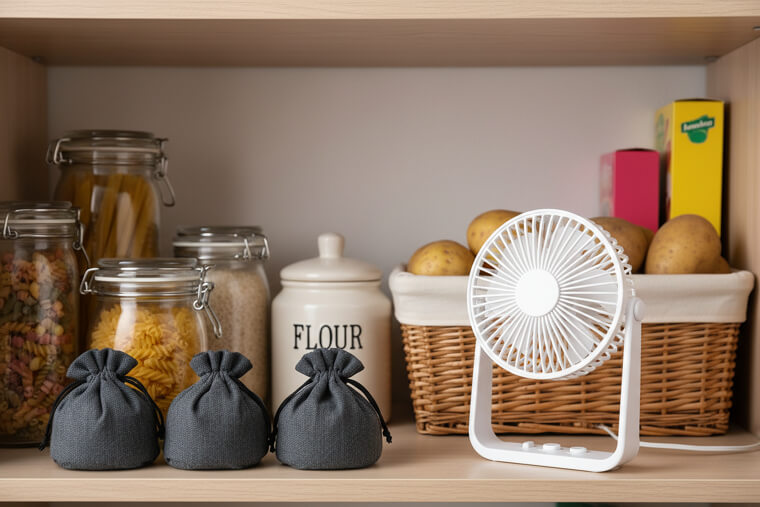
A fresh-smelling pantry reads as cleaner and larger instantly.
Use a reflective backing or light-colored liner
Dark shelves make everything feel smaller and deeper into shadow. But painting or lining a pantry seems like a bigger project than it is. A reflective or light-colored backing bounces light and highlights contents. Use removable contact paper or a thin mirrored panel behind rows of jars and cans. The result is brighter shelves and the illusion of depth, like opening a window.
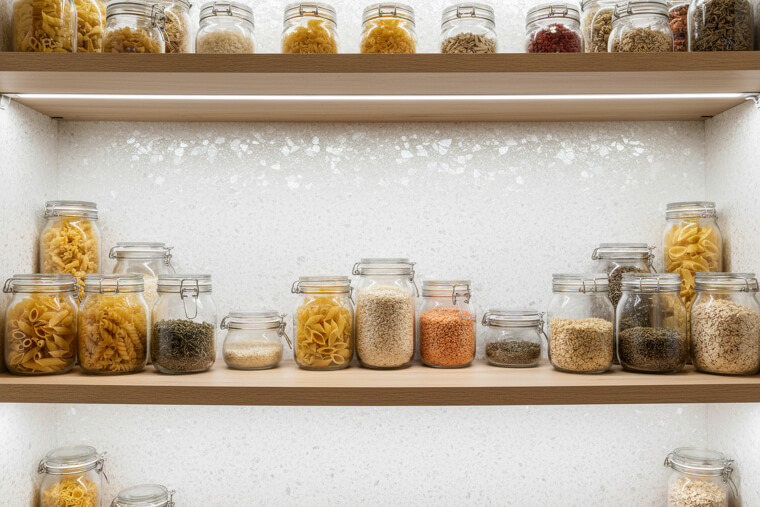
Try one shelf first — the effect is surprising and immediately uplifting.
The 15-second reset and final takeaway
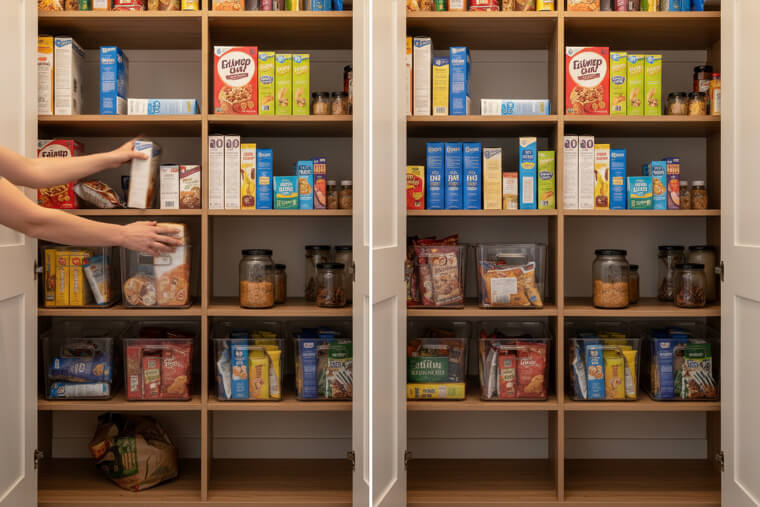
At the end of the day, a messy pantry can feel overwhelming. But small habits beat big cleanouts every time. Take 15 seconds each evening to push things forward, drop stray items in the donate box, and close the door with calm. These tiny resets preserve order, reveal what you actually have, and keep the kitchen feeling larger. It’s not about cutting everything out — it’s about being aware and making a few smart swaps. Small changes add up fast; a roomy, peaceful pantry is closer than you think. ***We hope you enjoyed the story about 40 Pantry Organization Hacks That Make Your Kitchen Feel Bigger.
The events portrayed in this story are drawn from real-life experiences. However, names, images, and some details have been modified to protect the identities and privacy of the individuals involved.