
Your grandmother wasn't guessing. That spoonful of honey for your cough, the salt-water gargle, the ginger tea for an upset stomach — researchers are now putting these old remedies through rigorous clinical trials. The results are surprising even the doctors. Some of these kitchen-cabinet treatments are flat-out beating their pharmacy counterparts.
Grandma's Medicine Cabinet Wasn't Crazy
You remember it — your grandmother standing in the kitchen, stirring honey into warm water for your cough, or pressing a cold ginger slice into your hand when your stomach wouldn't settle. Maybe she swore by a salt-water gargle at the first sign of a sore throat. You loved her, but you probably didn't believe her. Most of us grew up thinking these remedies were just comforting rituals, harmless but unscientific. Sweet traditions from a generation that didn't know any better.
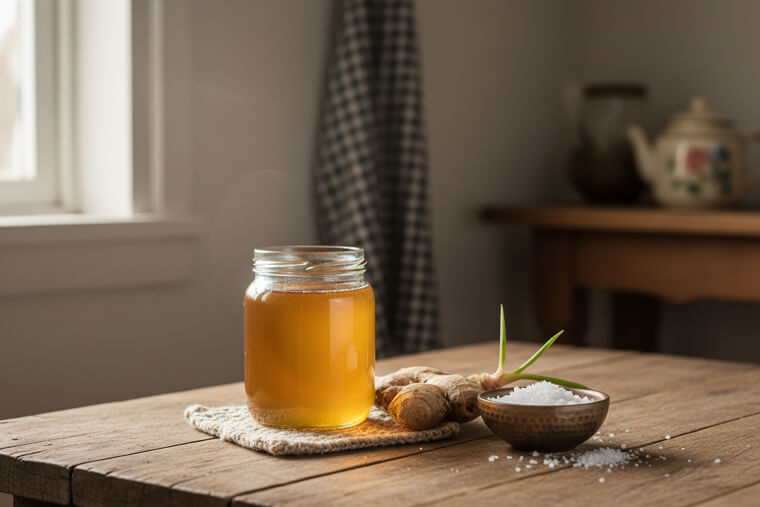
Turns out, they knew plenty. Researchers at major universities and medical journals are now publishing clinical trials that confirm many of these kitchen-cabinet cures don't just work — they outperform the pharmacy versions. The science behind grandma's instincts might surprise you.
Why Doctors Are Looking Backward
Here's something that might reframe everything: there's an entire scientific discipline called ethnopharmacology, dedicated to studying traditional remedies for modern medical breakthroughs. These aren't fringe researchers — they're scientists at institutions like Oxford and the NIH, systematically testing remedies that cultures have relied on for centuries. The World Health Organization estimates that 80% of the global population still uses plant-based medicine as their primary healthcare.
This isn't about rejecting modern medicine. It's about recognizing that thousands of years of human trial-and-error produced real, measurable knowledge — knowledge that rigorous science is now confirming. And one of the most stunning confirmations? It involves something already sitting in your pantry.
Honey Beats Cough Syrup — Literally
A 2012 study in the journal Pediatrics found that honey outperformed dextromethorphan — the active ingredient in most over-the-counter cough syrups — at reducing nighttime cough severity and improving sleep in children. A 2020 review in BMJ Evidence-Based Medicine confirmed the finding across both kids and adults. Read that again: a kitchen staple beat a pharmacy product in a clinical trial. Here's what makes it even more striking. The FDA doesn't recommend cough syrup for children under six due to side effects.
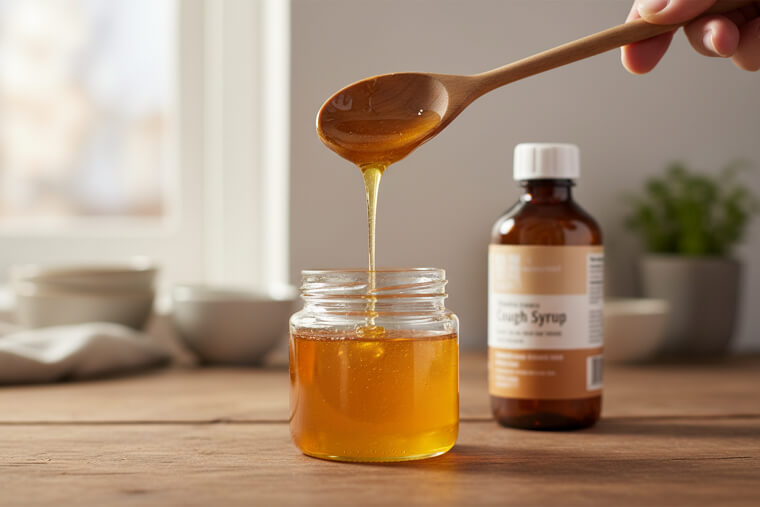
But a spoonful of raw honey? Safer, cheaper, and clinically more effective. If that shakes your assumptions about what belongs in a medicine cabinet, wait until you hear what plain salt water can do to a cold.
The Salt-Water Gargle That Fights Infection
Here's something you can do tonight. Researchers at the University of Edinburgh found in 2019 that gargling with salt water at the very first sign of a cold reduced illness duration by nearly two days. The recipe is almost absurdly simple: dissolve half a teaspoon of salt in eight ounces of warm water. Gargle for 30 seconds. Repeat three times a day. The salt draws moisture from swollen throat tissue, reducing inflammation, while creating an environment where viruses struggle to replicate.
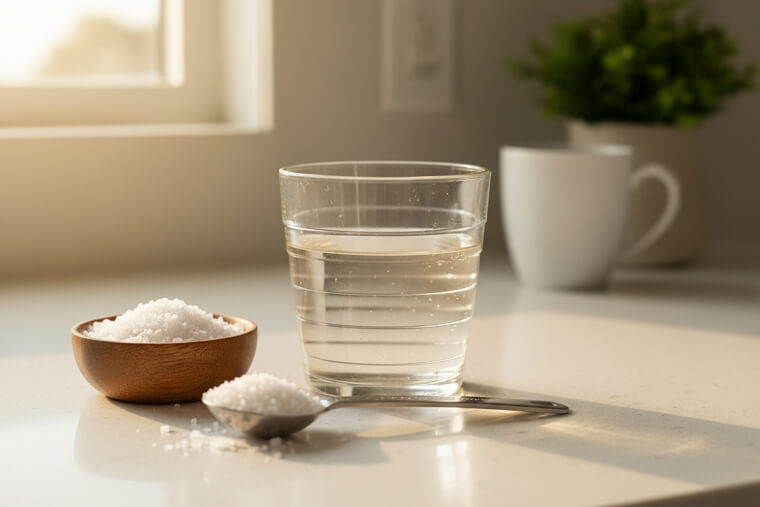
Feel that familiar tickle coming on? Skip the medicine aisle and head to your kitchen instead. This costs virtually nothing and works faster than most things behind the pharmacy counter. But salt water is just the beginning — next, we're talking about a spice that goes toe-to-toe with prescription nausea medication.
Ginger Outperforms a Leading Nausea Drug
A prescription drug called metoclopramide is one of the most widely used anti-nausea medications in the world. So when a landmark study in Obstetrics & Gynecology found that just one gram of ginger per day matched — and on several measures outperformed — this pharmaceutical for treating nausea in pregnant women, the medical community took notice. Separate trials with chemotherapy patients confirmed the pattern. Ginger also performed as effectively as vitamin B6, a standard clinical recommendation.
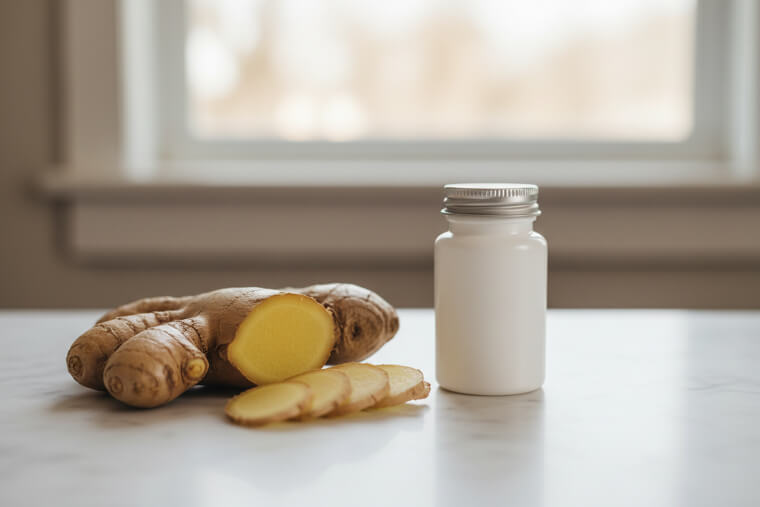
Think about that: a root you can buy for a dollar competed head-to-head with drugs that cost fifty times more. And ginger's story isn't finished here — it'll resurface later when we tackle chronic inflammation, where its powers get even more interesting. But first, there's another kitchen classic with a medical secret hiding in plain sight.
Why Chicken Soup Is Actual Medicine
Your grandmother wasn't just being nurturing — she was prescribing anti-inflammatory medicine. In 2000, researchers at the University of Nebraska Medical Center tested homemade chicken soup and discovered it actually inhibited neutrophil migration — the specific immune process responsible for the congestion, stuffiness, and inflammation that make colds miserable. This wasn't subjective comfort. It was a measurable biological effect observed under laboratory conditions. Interestingly, even canned versions showed some benefit.
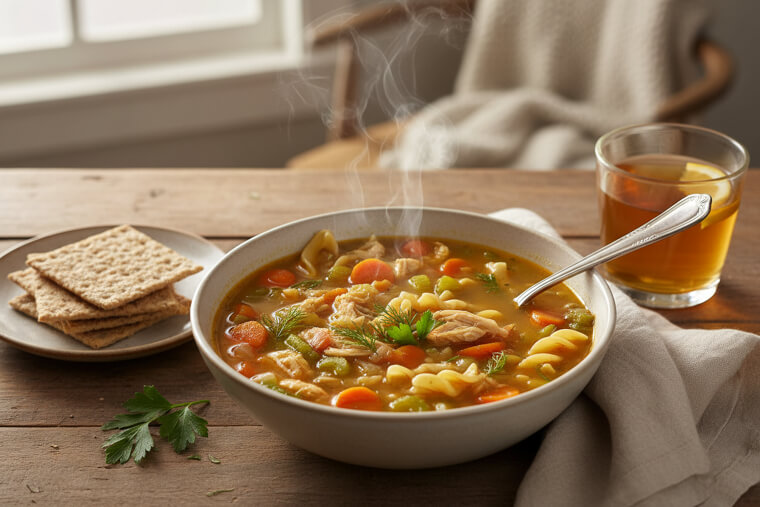
But homemade broth simmered with vegetables performed significantly better. Now notice the pattern building here — ginger, chicken soup, and soon turmeric all target the same enemy: inflammation. That thread is about to get much bigger.
Turmeric's Secret Inflammation Weapon
Here's what integrative medicine professionals know that most people don't. Curcumin, turmeric's active compound, has been tested in over 120 clinical trials and shown to reduce chronic inflammation markers comparably to ibuprofen — without the stomach ulcers, kidney strain, or gastrointestinal bleeding that send thousands to emergency rooms each year. But there's a catch that separates insiders from everyone else: your body barely absorbs curcumin on its own. The solution? Black pepper. Its compound piperine increases curcumin absorption by a staggering 2,000%.
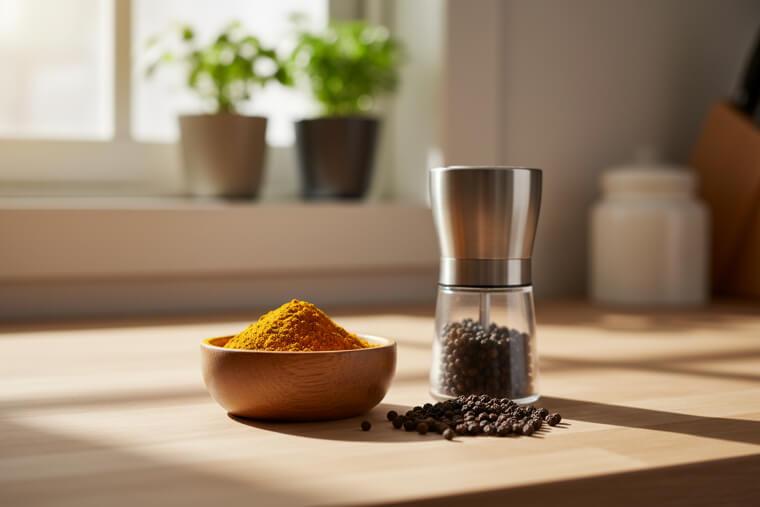
That's not a typo — two thousand percent. Without pepper, most of that golden powder passes right through you. Remember how ginger and chicken soup both targeted inflammation? Turmeric attacks the same pathway, often more potently. And soon, you'll combine all three into one simple drink you can make in five minutes.
The Aloe Vera Burn Treatment Surgeons Use
Here's something most people don't realize: aloe vera has quietly moved from the windowsill into the burn unit. A 2007 meta-analysis published in the journal Burns reviewed clinical evidence and found that aloe vera gel healed first- and second-degree burns an average of nine days faster than silver sulfadiazine cream — the conventional treatment that's been the medical standard for decades. Nine days is enormous when you're dealing with painful, infection-prone tissue.
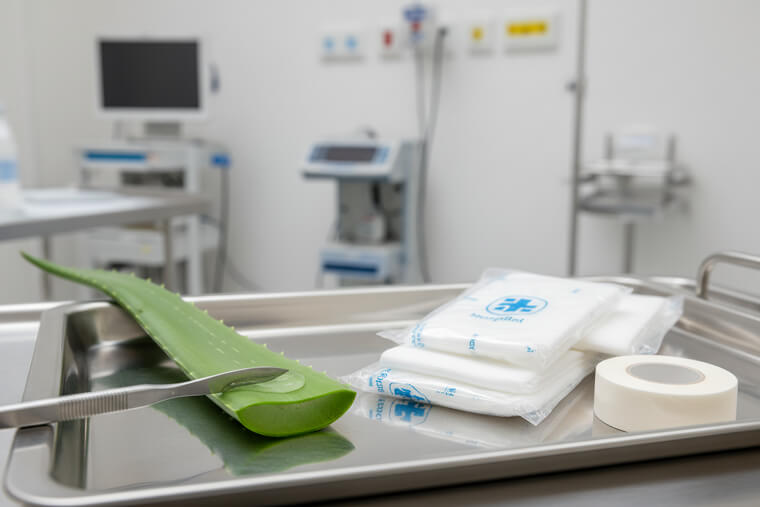
That finding was significant enough that some hospital burn units have since incorporated aloe-based dressings into their official wound care protocols. Surgeons aren't reaching for aloe because of tradition — they're reaching for it because the data demands it. Next up, you'll pull together honey, ginger, and turmeric into one simple drink you can actually make tonight.
How to Make a Healing Ginger-Turmeric Tonic
Here's your recipe. Grate a thumb-sized piece of fresh ginger into a mug. Add one teaspoon of ground turmeric, a generous pinch of black pepper — remember, that's the absorption trick that boosts curcumin by 2,000% — and pour in eight ounces of hot water. Squeeze in half a lemon, then stir in a spoonful of raw honey once it's cool enough that you won't destroy honey's beneficial enzymes.
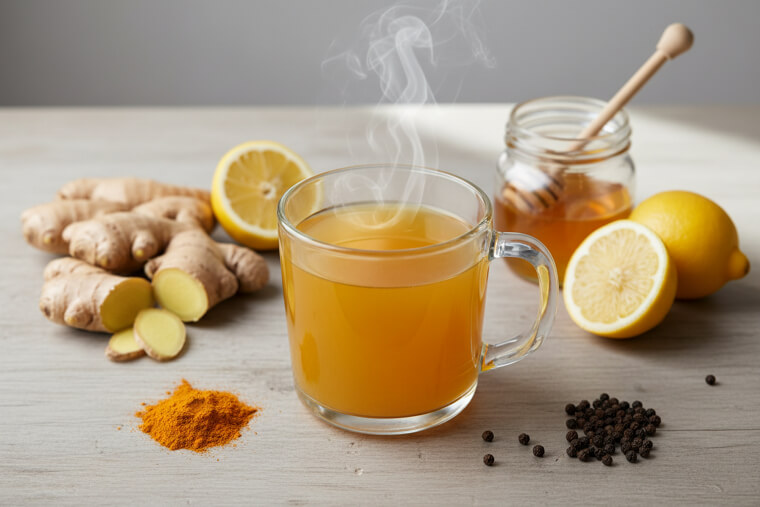
You've just combined three clinically tested remedies into one warm, drinkable formula that targets inflammation from multiple angles. Snap a photo, share it, and sip it tonight. But what about a remedy that could help you avoid antibiotics altogether?
Cranberries vs. Antibiotics for UTIs
A massive 2023 Cochrane review analyzed over 50 clinical trials and reached a conclusion that surprised the medical community: cranberry products reduced recurrent urinary tract infections by roughly 25%. That's not folk wisdom — that's enough evidence that some doctors now recommend cranberries as a first-line prevention strategy before reaching for prophylactic antibiotics. The secret lies in compounds called proanthocyanidins, which physically prevent bacteria from gripping the bladder wall. No adhesion, no infection.
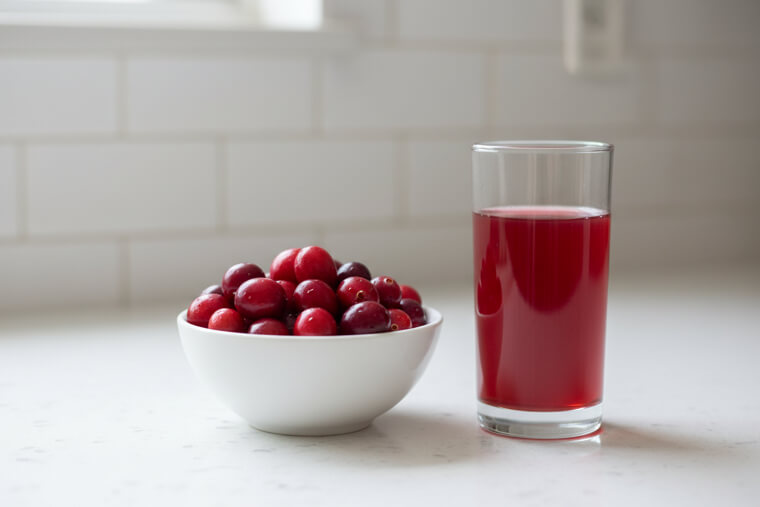
Here's why this matters beyond your own health. Antibiotic resistance is accelerating worldwide, and every unnecessary prescription fuels the crisis. A simple berry helping reduce even a fraction of those prescriptions could have enormous ripple effects — effects we'll explore more deeply soon. But first, there's another old remedy quietly outperforming medication for a problem millions silently endure every day.
Peppermint Oil Rivals IBS Medication
Here's one that might catch you off guard. A 2019 meta-analysis in BMC Complementary Medicine pitted enteric-coated peppermint oil capsules against antispasmodic drugs — the standard pharmaceutical treatment for irritable bowel syndrome. Peppermint oil won. Across multiple head-to-head trials, it reduced abdominal pain, bloating, and urgency more effectively, with significantly fewer side effects. If you've been quietly managing digestive discomfort for years, you're far from alone — IBS affects roughly one in seven adults over 50.
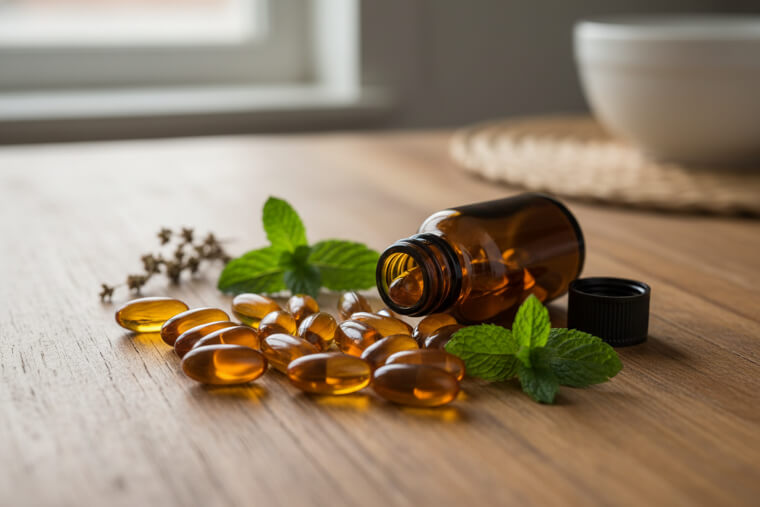
What makes this remarkable is the study design. These weren't informal surveys or observational reports. They were rigorous, randomized controlled trials — the gold standard of modern medicine — and an ancient remedy still came out ahead. Now imagine what all of this means for your wallet.
Your Pharmacy Bill Could Be Much Lower
Here's a number worth sitting with: the average American over 50 spends more than $1,300 a year on over-the-counter medications. Now consider what you've learned so far. A bottle of cough syrup costs $12 — a jar of raw honey that lasts months costs $8. A thirty-day supply of IBS medication runs $25 to $40, while enteric-coated peppermint oil capsules cost about $10. That salt-water gargle? Essentially free. Ginger, turmeric, black pepper — pennies per dose.
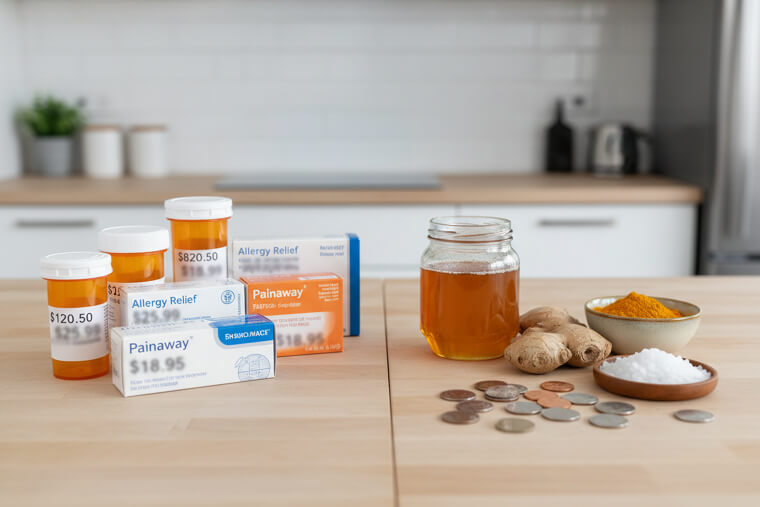
Add it up and you could realistically cut hundreds of dollars a year from your pharmacy spending, using remedies backed by the same clinical trials that validate the expensive alternatives. And speaking of savings, the next remedy costs almost nothing and is probably already sitting in your pantry.
Oatmeal Baths Beat Expensive Skin Creams
Here's one you can try tonight. Colloidal oatmeal — just plain oats ground to a fine powder in your blender — is FDA-recognized as a skin protectant. Clinical studies show it relieves eczema and dermatitis as effectively as low-dose hydrocortisone cream in mild cases, calming inflammation and restoring your skin's moisture barrier. The recipe couldn't be simpler: grind one cup of plain, unflavored oats until they're powder-fine. Sprinkle the powder into a lukewarm bath and stir until the water turns milky.
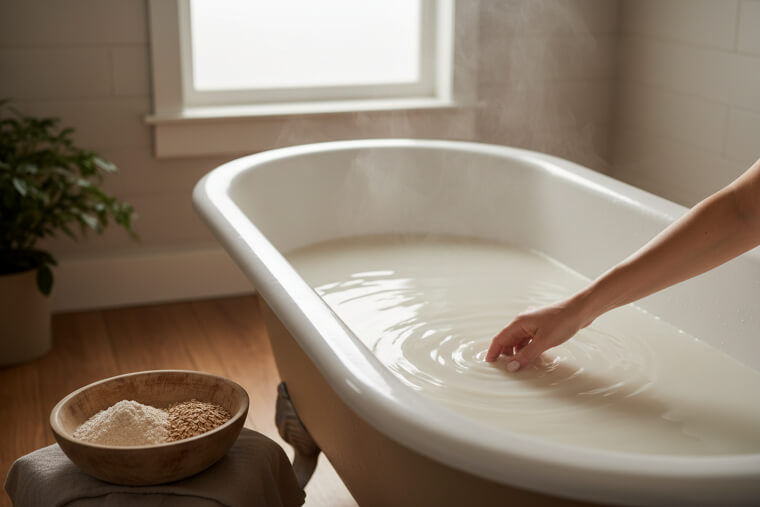
Soak for fifteen minutes. That's it. No prescription, no $30 cream — just a dollar's worth of oats and fifteen quiet minutes. If you deal with dry, itchy winter skin, this might become your new favorite ritual. But while oatmeal soothes from the outside, the next remedy fights something far more dangerous from within.
Why Garlic Scares More Than Vampires
Here's a revelation that might change how you look at your spice rack. When you crush a clove of garlic, a compound called allicin is released — and it's a broad-spectrum antimicrobial powerhouse. A 2014 study in the Journal of Antimicrobial Chemotherapy found that aged garlic extract reduced both the severity and duration of colds and flu. But the bigger story is what's happening in research labs right now.
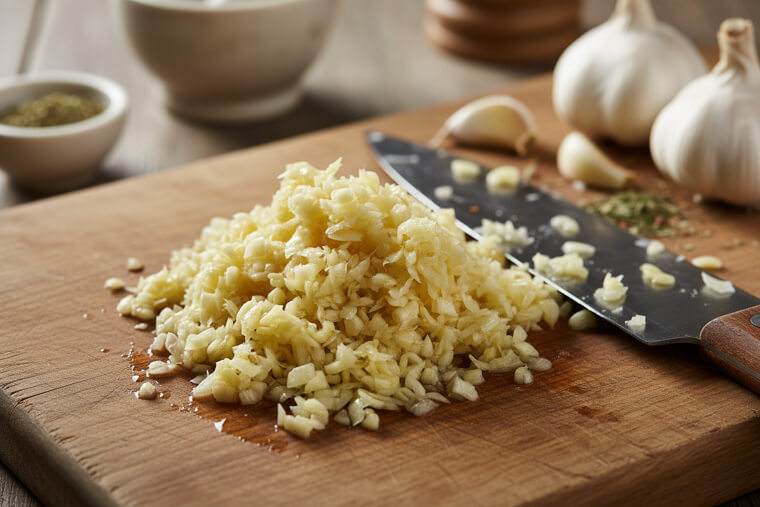
Scientists are testing garlic compounds as potential weapons against MRSA — the drug-resistant superbug that shrugs off conventional antibiotics. Remember how cranberries could help reduce unnecessary antibiotic prescriptions? Garlic takes that thread somewhere far more urgent. Because the antibiotic resistance crisis is much worse than most people realize.
The Antibiotic Crisis Nobody Talks About
Every year, 2.8 million Americans develop antibiotic-resistant infections. More than 35,000 die — that's roughly the population of a small city, gone annually because our strongest drugs stopped working. The cause? Decades of overprescribing antibiotics for conditions that didn't need them. Every unnecessary prescription accelerates bacterial evolution, breeding superbugs that laugh at our best medicine. This is where everything you've read snaps into focus.
Cranberry preventing UTIs means fewer antibiotic prescriptions. Honey fighting infections naturally means one less reason to reach for pills. Garlic compounds targeting MRSA mean potential new weapons entirely. These aren't quaint alternatives — they're strategic tools in a life-or-death crisis. And one of those tools has been hiding inside modern medicine's most famous pill all along.
Willow Bark — The Original Aspirin
The world's most popular painkiller has been lying about its age. Aspirin — found in nearly every medicine cabinet on the planet — is really just a refined version of salicin, a compound from willow bark that ancient Egyptians were using for pain relief over 3,500 years ago. Bayer figured out how to synthesize it in 1897, but the remedy was already millennia old. Here's what's fascinating: modern studies show that willow bark extract still effectively treats lower back pain and osteoarthritis.
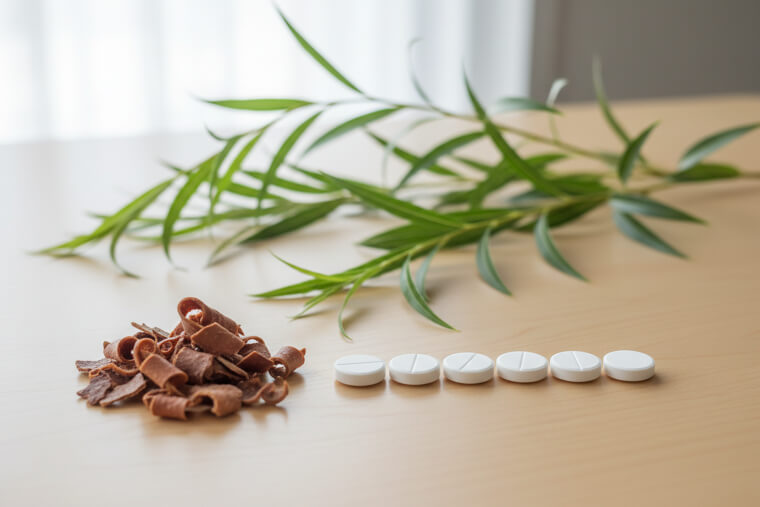
And some research suggests it actually causes fewer stomach problems than aspirin itself, because the whole bark contains additional plant compounds that protect your gut lining. Think about that — the original version may be gentler than the "improved" one. It completely reframes the debate between old and new. And if a pain remedy was hiding in plain sight, wait until you hear what a common flower is doing to anti-anxiety medication.
Lavender Competes With Anti-Anxiety Medication
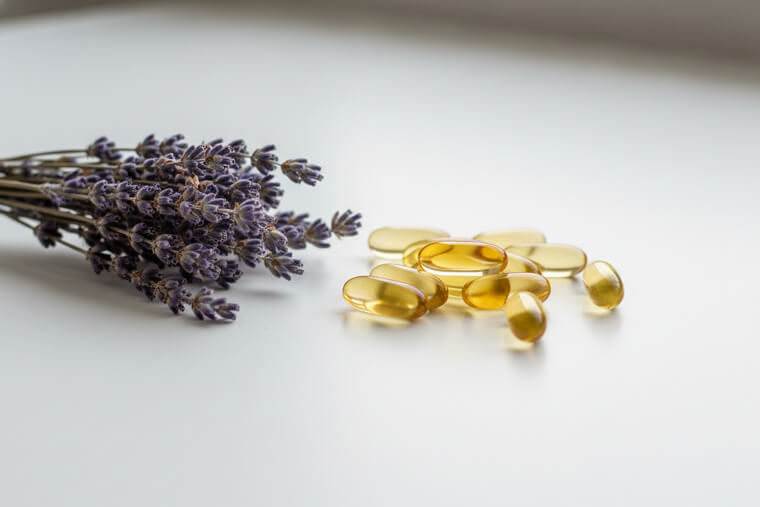
A lavender preparation just went head-to-head with one of psychiatry's heavy hitters — and held its own. A 2019 randomized controlled trial in Phytomedicine found that Silexan, an oral lavender oil capsule, matched lorazepam — a benzodiazepine — in treating generalized anxiety disorder. Same effectiveness. But here's where it gets remarkable: no sedation, no cognitive fog, no dependency risk. If you've ever watched someone struggle to quit benzodiazepines, you understand how significant that is.
This isn't about swapping your prescription for a flower — it's about discussing powerful new evidence with your doctor. For the millions managing anxiety, especially in midlife and beyond, these findings could genuinely change the conversation. And lavender's benefits don't stop at anxiety. There's a simple nighttime trick worth knowing.
A Simple Lavender Trick for Better Sleep
Here's something you can try tonight. Place two drops of real lavender essential oil on a cotton ball and tuck it inside your pillowcase. Alternatively, mix ten drops with water in a spray bottle and mist your bed linens thirty minutes before sleep. A study published in Nursing in Critical Care found that lavender inhalation significantly reduced insomnia scores in older adults — better sleep quality without a single pill.
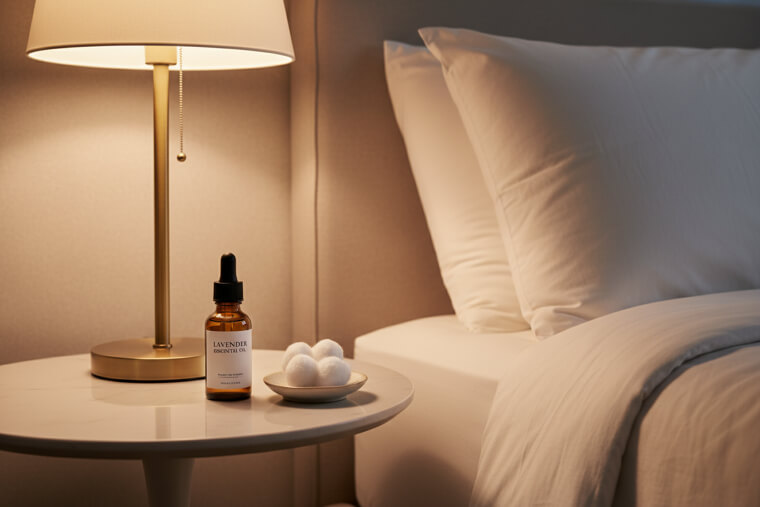
One critical detail: it must be genuine lavender essential oil, not synthetic fragrance spray from the discount aisle. Synthetic versions smell similar but lack the bioactive compounds linalool and linalyl acetate that actually calm your nervous system. Your nose can't always tell the difference, but your brain can. Speaking of what your body quietly knows — your gut has been trying to tell you something too.
Fermented Foods Fix What Probiotics Promise
Here's what gastroenterologists know that supplement companies hope you don't: the $70 billion probiotic industry is trying to bottle what sauerkraut, kimchi, and kefir have delivered for centuries — and falling short. Many probiotic capsules die in your stomach acid before reaching your intestines. The bacterial strains in naturally fermented foods? They evolved in acidic environments. They arrive alive and ready to work.
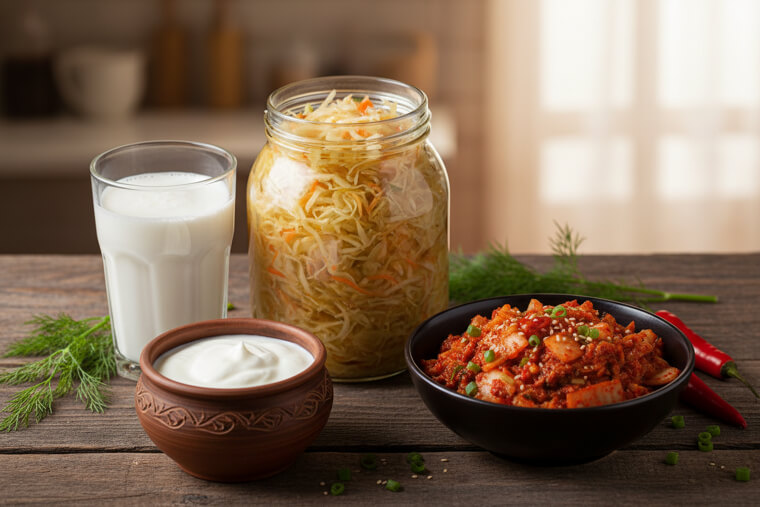
A landmark 2021 Stanford study found that eating fermented foods daily increased gut microbiome diversity and significantly reduced inflammatory markers — outperforming even a high-fiber diet. That inflammation thread we've been following? Fermented foods attack it right at the source. And the next remedy requires nothing from your kitchen at all.
The Walking Prescription Doctors Won't Write
A 2019 study in the British Journal of Sports Medicine found that brisk walking for 30 minutes five days a week matched antidepressant medication for mild to moderate depression. Separate research shows it lowers blood pressure as effectively as many first-line hypertension drugs. One activity rivaling multiple categories of medication simultaneously — and it's been free since humans first stood upright. Yet only 30% of doctors formally prescribe exercise to their patients.

Think about that gap. The single most powerful remedy in this entire article requires no kitchen shelf, no recipe, no shopping trip — just a pair of shoes and a door. So why aren't more of us doing it? Because the starting point feels bigger than it actually is.
Start a 10-Minute Walking Habit Today
Here's your starting point: ten minutes. That's it. After lunch today, stand up and walk around the block. A 2022 study in Sports Medicine found that even a ten-minute post-meal walk significantly improved blood sugar regulation and boosted mood for hours afterward. You don't need gear, a plan, or motivation — just a cue, a routine, and a reward. Lunch ends (cue), you walk ten minutes (routine), you come back and enjoy a cup of tea (reward).

Now, if you're thinking "I don't have time" — you've already spent longer reading this article on Facebook than the walk would take. Ten minutes today. That's the only assignment. But if these remedies actually work this well, you might be wondering something bigger: why did we ever stop using them?
Why These Remedies Were Forgotten
Your grandmother didn't need a clinical trial to know ginger settled a stomach. She learned it from her mother, who learned it from hers. That chain broke somewhere around the 1950s, when pharmaceutical advertising exploded into American living rooms and "modern" became synonymous with "better." It wasn't a conspiracy — it was a culture falling in love with progress. Families stopped reaching for the pantry and started reaching for the pharmacy. Within one generation, centuries of kitchen wisdom nearly vanished.
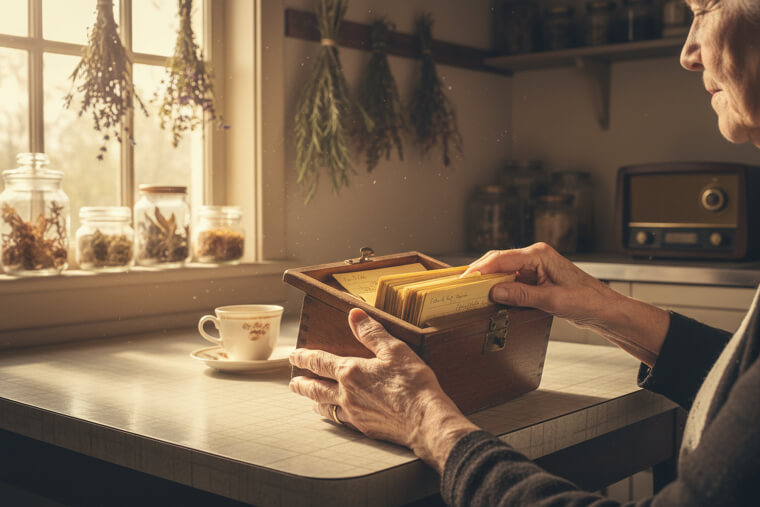
Maybe you remember someone who knew these things — a grandparent, an aunt, a neighbor with a remedy for everything. Reclaiming this knowledge isn't going backward. It's honoring the people who carried it. But honoring tradition also means knowing its limits.
When Old Remedies Aren't Enough
Let's be clear about where this stops. No amount of honey treats anaphylaxis. No turmeric tonic replaces insulin for a diabetic. Chest pain, sudden numbness, high fever with confusion, a lump that wasn't there before — these demand a doctor, not a pantry. And some "natural" products are genuinely dangerous. Colloidal silver, still sold online as a cure-all, causes permanent skin discoloration and interferes with antibiotic absorption. Mega-doses of herbal supplements can damage your liver without warning.

Every remedy in this article works best alongside modern medicine, not instead of it. Talk to your doctor before combining herbs with prescriptions — interactions are real and sometimes serious. This honesty is what separates wisdom from wishful thinking. Now that you know both the power and the boundaries, it's time to put it all together.
Build Your Own Kitchen Medicine Shelf
Here's your grocery list. One trip, under thirty dollars:
Raw honey. Fresh ginger root. Ground turmeric. Black pepper. Plain oats. A head of garlic. Sea salt. Peppermint oil capsules. Lavender essential oil. Unsweetened cranberry juice. One large jar for homemade broth.
That's eleven items. With them, you now have evidence-backed tools for coughs, colds, nausea, inflammation, skin irritation, anxiety, sleep trouble, UTI prevention, and digestive discomfort.
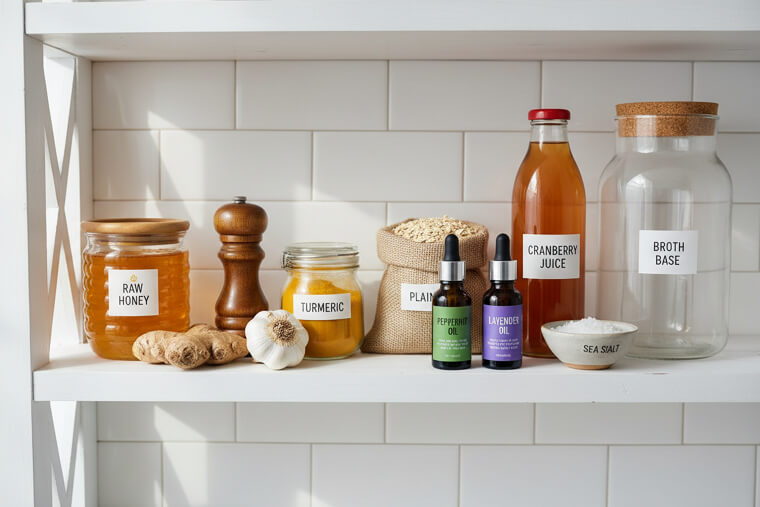
Your kitchen just became a pharmacy — one that costs less than a single co-pay. Take a photo of that shelf once you stock it. You earned it. But the most important thing you can do with this knowledge isn't keep it to yourself.
The Wisdom Was Always in the Family
Every remedy in this article once lived in someone's kitchen. A grandmother stirring honey into warm water for a coughing child. A mother simmering chicken soup because she knew — before any study confirmed it — that it healed. A grandfather pressing fresh ginger into a cup and saying, "Trust me." They didn't have the research. They had something older: attention, passed down with love. Now you have both. The science and the story.
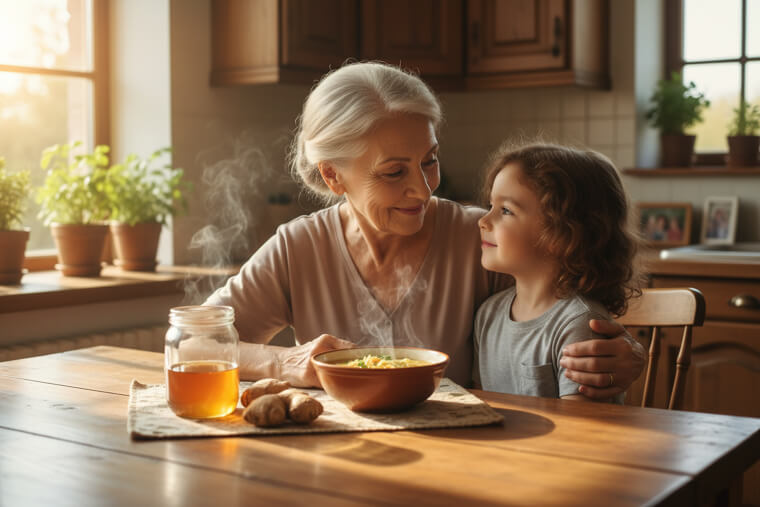
This week, share one remedy with a child or grandchild. Not just the recipe — the memory behind it. Tell them who taught you. That conversation around the kitchen table? That's the most powerful medicine there ever was.Disclaimer: This story is based on real events. However, some names, identifying details, timelines, and circumstances have been adjusted to protect the privacy of the individuals involved. The images in this article were created with AI and are illustrative only. They may include altered or fictionalized visual details for privacy and storytelling purposes