
Every time you open your refrigerator, you're making dozens of micro-decisions that either save or waste your hard-earned money. Most people arrange their fridge the way they always have, never realizing that this innocent habit is quietly costing them hundreds of dollars each year in spoiled food.
The Milk Door Mistake Everyone Makes
It's the most natural thing in the world — grabbing milk from the fridge door where it's easy to reach. But here's what most people don't know: your fridge door is actually the warmest spot in your entire refrigerator.
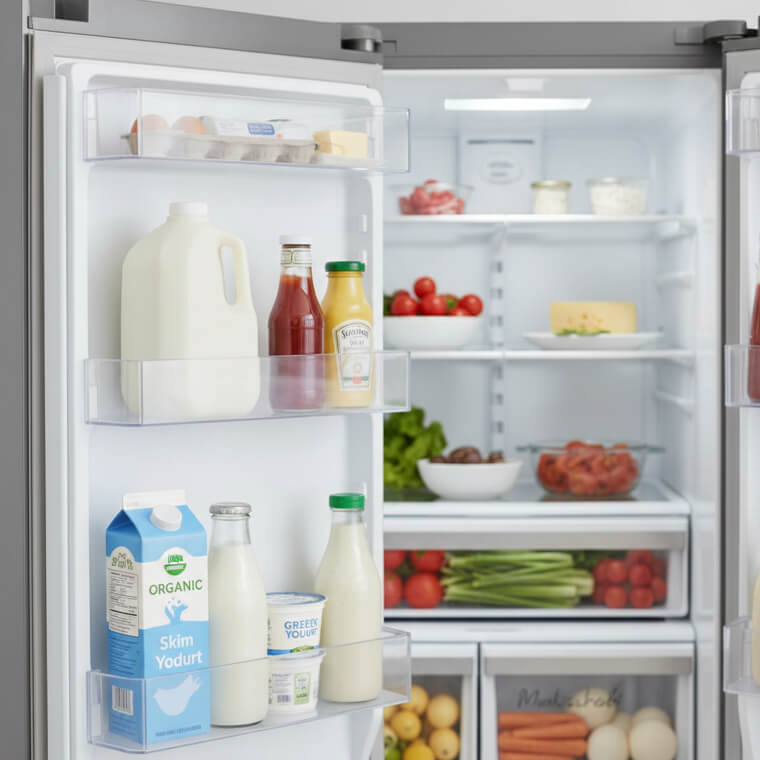
Every time you open that door, the temperature swings dramatically. Milk stored there spoils 2-3 days faster than it should, turning your weekly grocery run into wasted money. The door temperature fluctuates between 40-50°F while the main compartment stays steady at 37°F. Dairy needs consistent cold to maintain freshness. Move your milk to the main shelf, preferably the middle one where temperature stays most stable. And that's not the most surprising location mistake people make.
Why Your Vegetables Die So Fast
Most people toss all their vegetables into the crisper drawer and forget about them. What seems like the logical storage spot can actually suffocate your produce and make it rot faster.
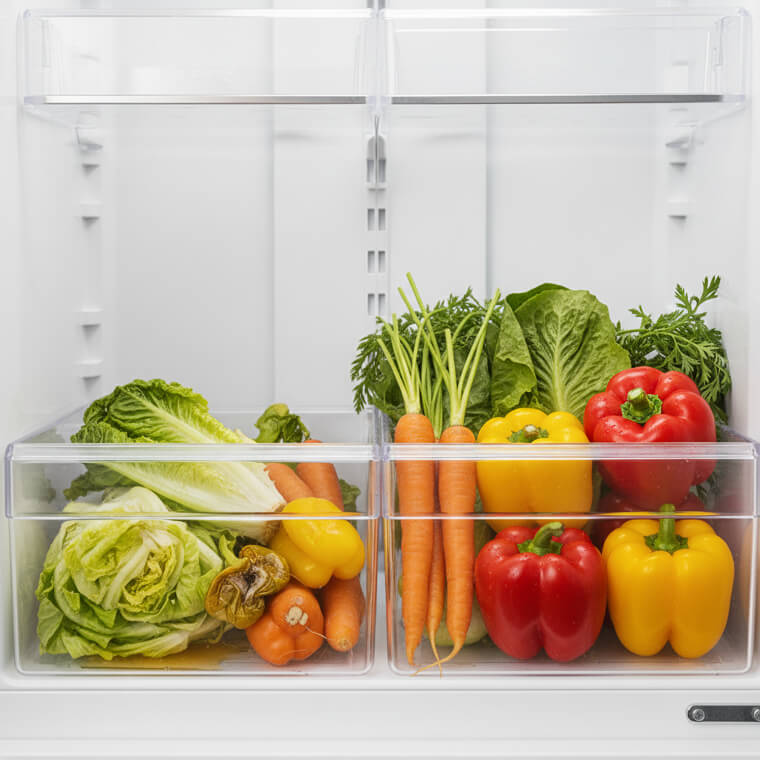
Those 'fresh' vegetables turn into expensive compost within days because crisper drawers trap moisture and restrict airflow when packed too tightly. Vegetables need to breathe. Overcrowded drawers create a humid environment where bacteria thrives and produce breaks down rapidly. Use only one crisper drawer and don't fill it more than two-thirds full. Keep vegetables in perforated bags or loose. But the real game-changer is what you do with your leftovers.
The Leftover Zone That Saves Hundreds
Everyone has good intentions when they put leftovers away in containers. But here's the hidden problem: when leftovers get buried behind other items, they become invisible and forgotten.
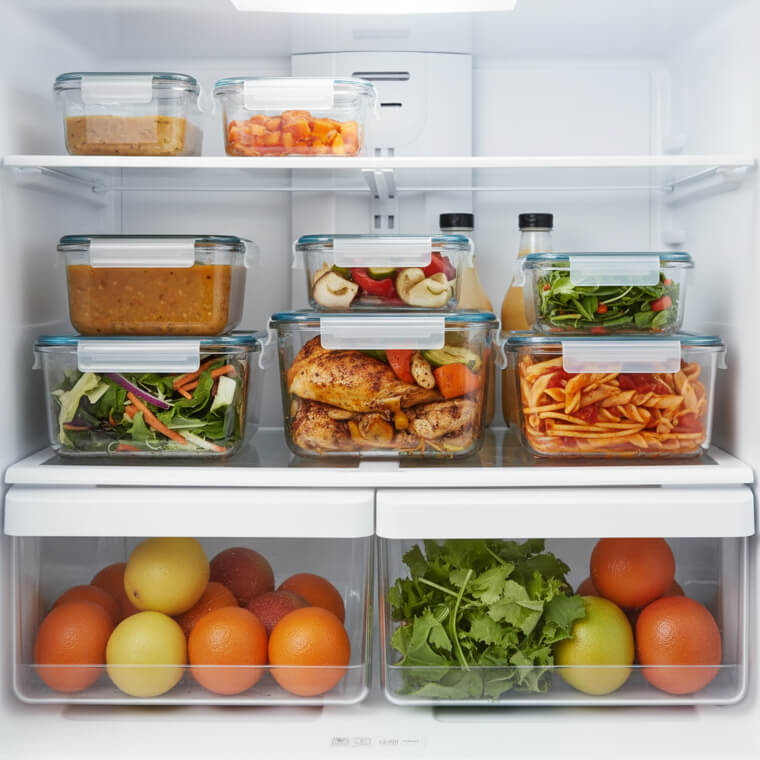
Out of sight truly means out of mind, and that Tuesday night dinner becomes Thursday's expensive trash. The average family throws away $1,500 worth of forgotten leftovers every year. Your eye level is your 'eat first' zone. Items placed at eye level are 3x more likely to be consumed before spoiling. Dedicate your top shelf to leftovers and prepared foods only. Use clear containers and face labels forward. The next mistake happens before you even start cooking.
The Raw Meat Disaster Waiting to Happen
It's tempting to put raw meat wherever there's space in your fridge. What most people don't realize is that raw meat juices can drip down and contaminate everything below it.
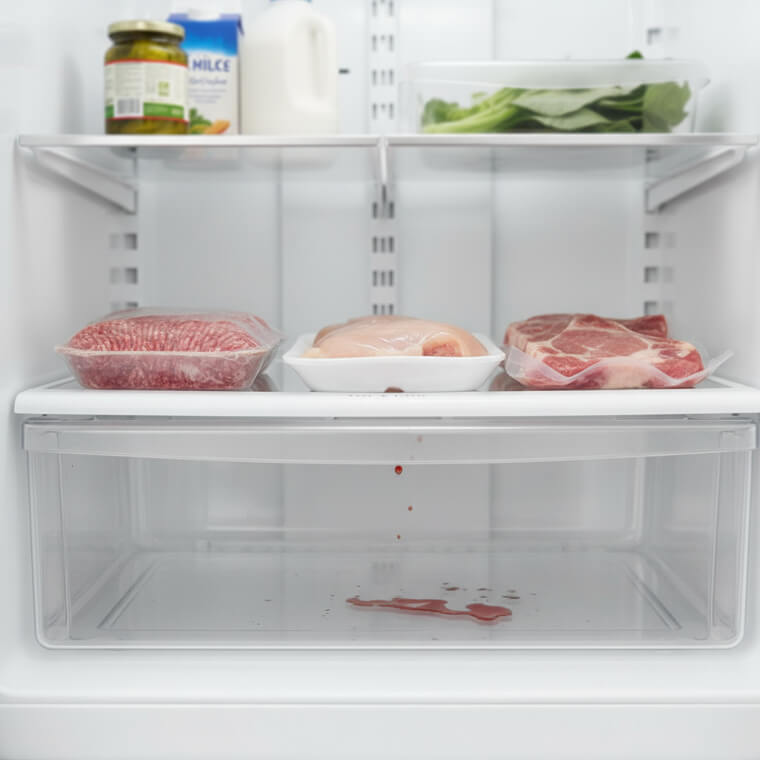
This creates food safety risks and forces you to throw out perfectly good produce that got contaminated. One leaky package can ruin an entire week's worth of groceries. Gravity always wins. Raw meat placed on higher shelves will eventually drip onto items below, creating cross-contamination. Always store raw meat on the bottom shelf in a rimmed tray or plate to catch any drips. Keep it in the coldest part of your main compartment. But there's an even simpler rule that prevents waste before it starts.
The 'First In, First Out' Revolution
When you bring groceries home, it's natural to put new items wherever they fit. But this innocent habit creates a hidden queue where older items get buried and forgotten in the back.
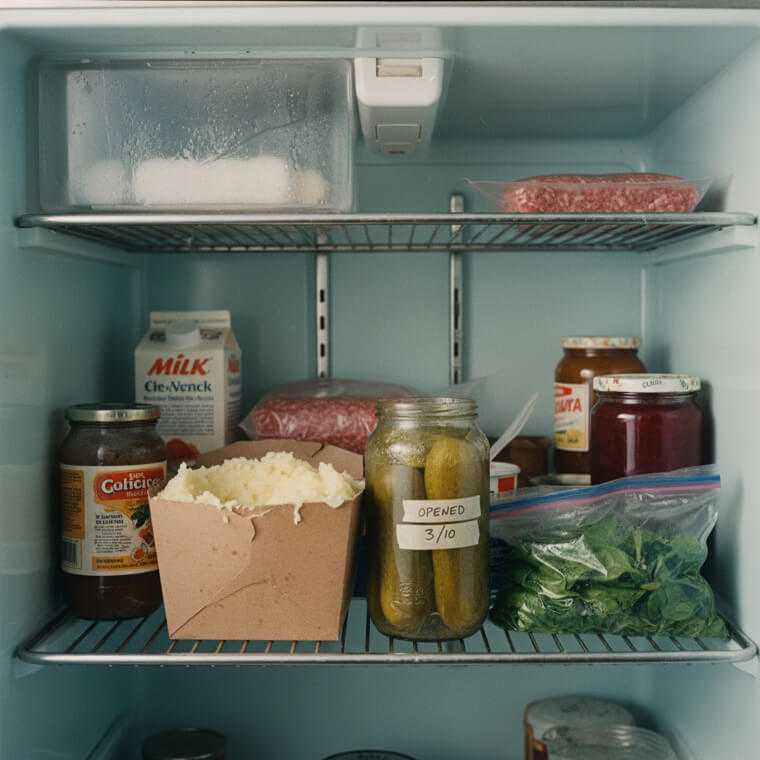
You end up using the fresh items while the older ones expire unseen. This backward system wastes an average of 20% of everything you buy. Restaurants use 'first in, first out' rotation religiously because their profits depend on it. Fresh items go in back, older items move to front. Always move older items forward when adding new groceries. Make the older stuff impossible to ignore. Most people skip this one simple step that changes everything.
The Herb and Green Trick That Doubles Freshness
Most people store fresh herbs and leafy greens the same way they store other vegetables. What seems logical actually cuts their lifespan in half because herbs and delicate greens need different treatment than hardy vegetables.
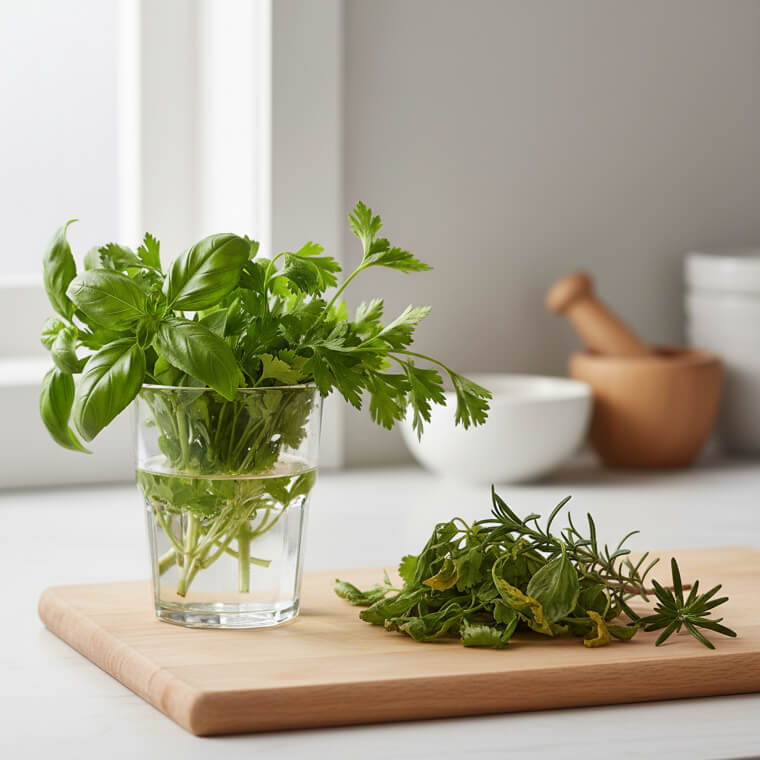
Storing them flat in plastic bags traps moisture against the leaves, creating the perfect environment for quick decay and slimy breakdown. Herbs are essentially cut flowers — they need water at their stems and air circulation around their leaves to stay fresh. Treat herbs like flowers: trim stems and stand them in a small glass of water. Cover loosely with a plastic bag and store in the main compartment. And that's not the most surprising preservation secret.
The Bread Storage Mistake Costing You Money
Many people automatically put bread in the fridge thinking it will stay fresh longer. But refrigeration actually makes bread go stale faster than leaving it on your counter.
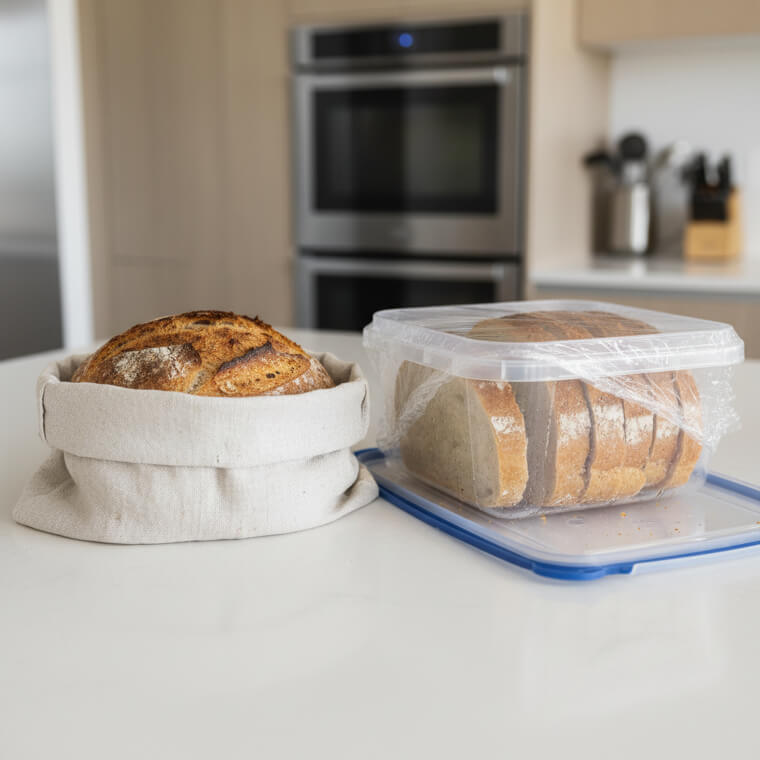
Cold temperatures cause the starch molecules in bread to recrystallize quickly, creating that tough, chewy texture that makes perfectly good bread seem spoiled. Bread's enemy isn't cold — it's moisture and air exposure. The refrigerator's dry environment accelerates staling while adding no preservation benefit. Keep bread in a cool, dry place at room temperature for 2-3 days, or freeze what you won't use immediately. But wait until you see how common this temperature mistake is.
The Hot Food Rule Everyone Breaks
When dinner's over, most people put hot leftovers straight into the fridge to 'be safe. '
What seems like food safety wisdom actually creates a dangerous temperature spike that can spoil other foods nearby.
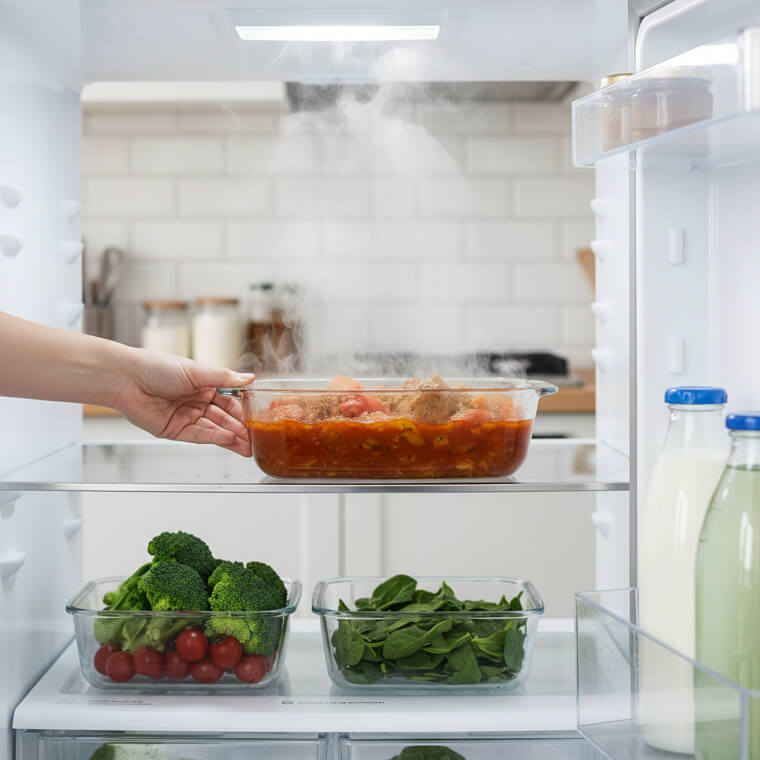
Hot food raises the internal temperature of your entire refrigerator, pushing everything into the 'danger zone' where bacteria multiplies rapidly. Your refrigerator works overtime to cool down hot items, but meanwhile, everything else warms up beyond safe temperatures. Let hot food cool to room temperature first (but not longer than 2 hours), then refrigerate. Use shallow containers to speed cooling. The next one hides in plain sight every single day.
Why Your Cheese Gets Moldy So Fast
Everyone wraps leftover cheese tightly in plastic wrap to keep it fresh. But here's the problem: cheese is alive, and plastic wrap suffocates it while trapping moisture.
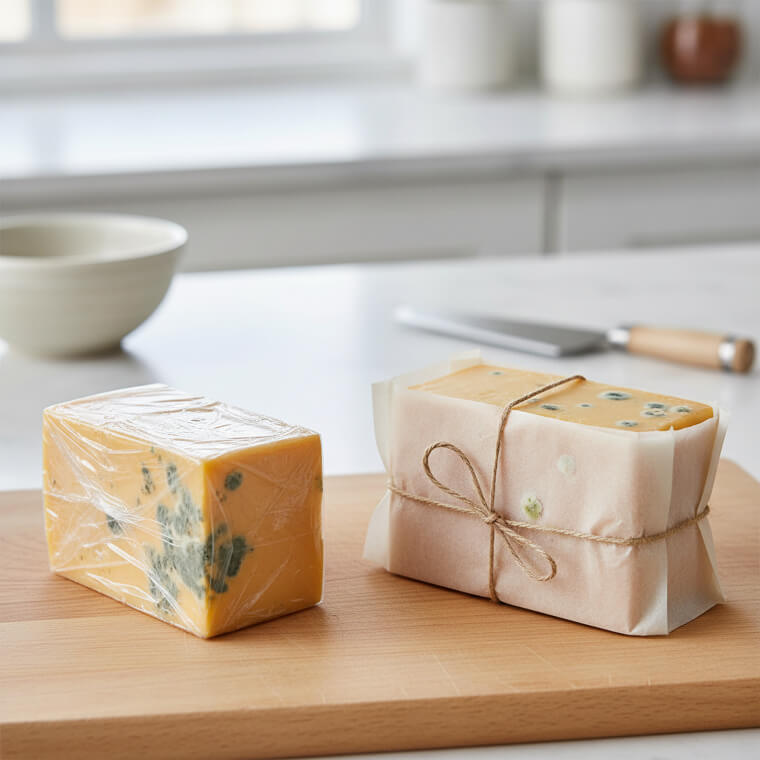
This creates the perfect breeding ground for mold, turning your expensive cheese into fuzzy waste within days. Cheese needs to breathe while staying moist. Plastic wrap prevents air circulation while creating a humid microenvironment that accelerates spoilage. Wrap cheese in parchment or wax paper first, then loosely in plastic, or use cheese paper designed for proper airflow. Doctors mention this next one often, but most people ignore it.
The Egg Storage Truth That Shocks Everyone
Most refrigerators come with those convenient egg holders in the door. What manufacturers don't tell you is that eggs stay fresh much longer in their original carton in the main compartment.
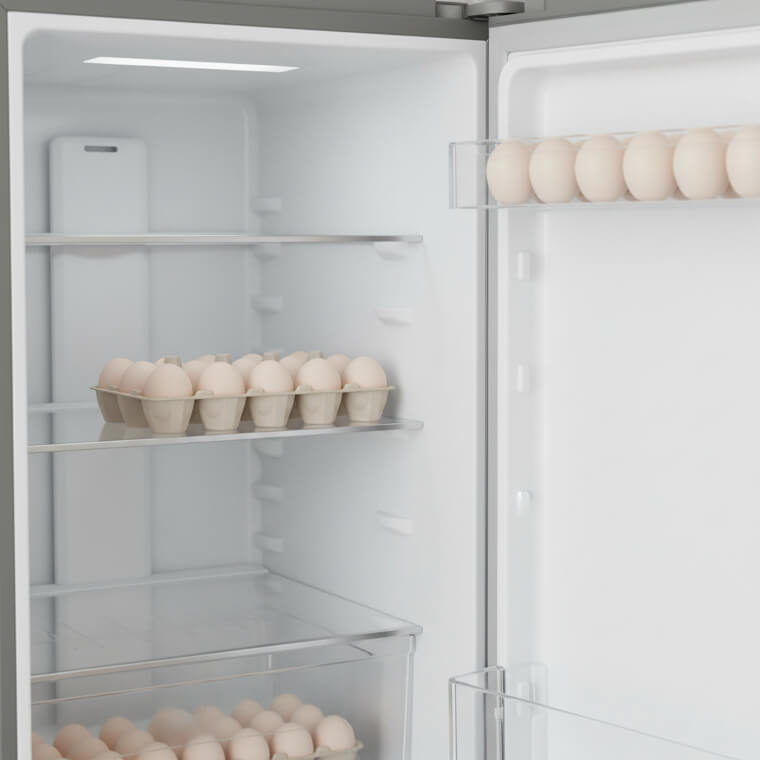
The door's temperature fluctuations and the carton's absence remove two critical protection factors, causing eggs to spoil weeks earlier than necessary. Egg cartons are designed with the pointed end down to keep the yolk centered, and they block light and odors that can affect egg quality. Keep eggs in their original carton on a main shelf, not in the door. Check the 'use by' date and rotate older cartons forward. But the most wasteful mistake happens with your most expensive items.
The Fruit Bowl Error Costing You Big
It looks beautiful to keep all your fruit together in one big bowl or crisper. What most people don't know is that some fruits release ethylene gas that makes other fruits ripen and rot much faster.
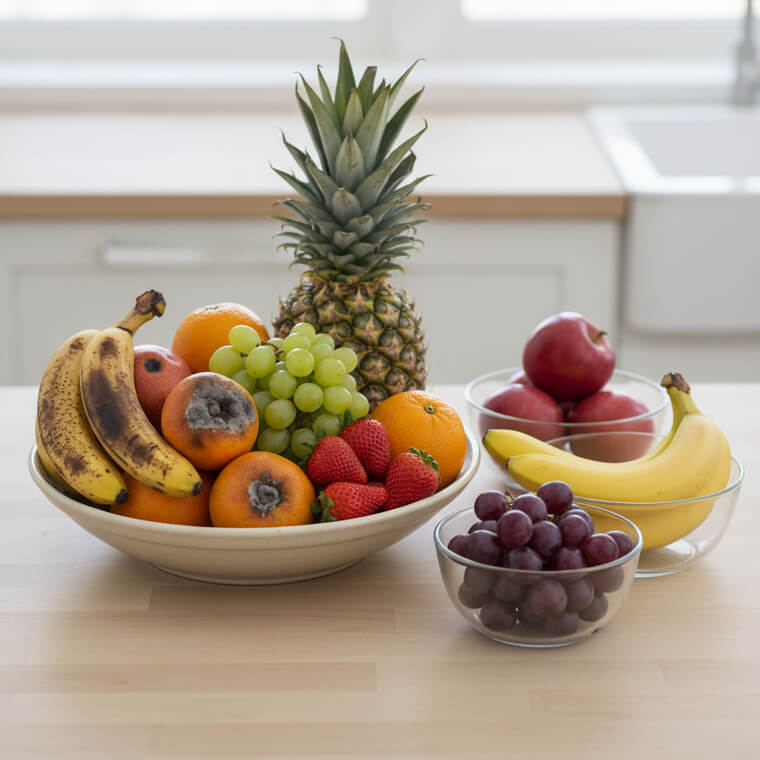
One overripe banana or apple in your fruit bowl can turn your entire week's fruit purchase into expensive compost overnight. Ethylene producers like apples, bananas, and pears act like ripening accelerants for everything around them. It's nature's way of spreading seeds, but your wallet's nightmare. Separate ethylene producers from sensitive fruits like berries and grapes. Store bananas separately and remove any overripe items immediately. This is surprisingly common, but easily fixable.
The Condiment Cabinet That's Actually Costing You
Most people treat their fridge door like a condiment storage unit. But here's what food scientists know: overcrowding your door affects the entire refrigerator's efficiency and temperature stability.
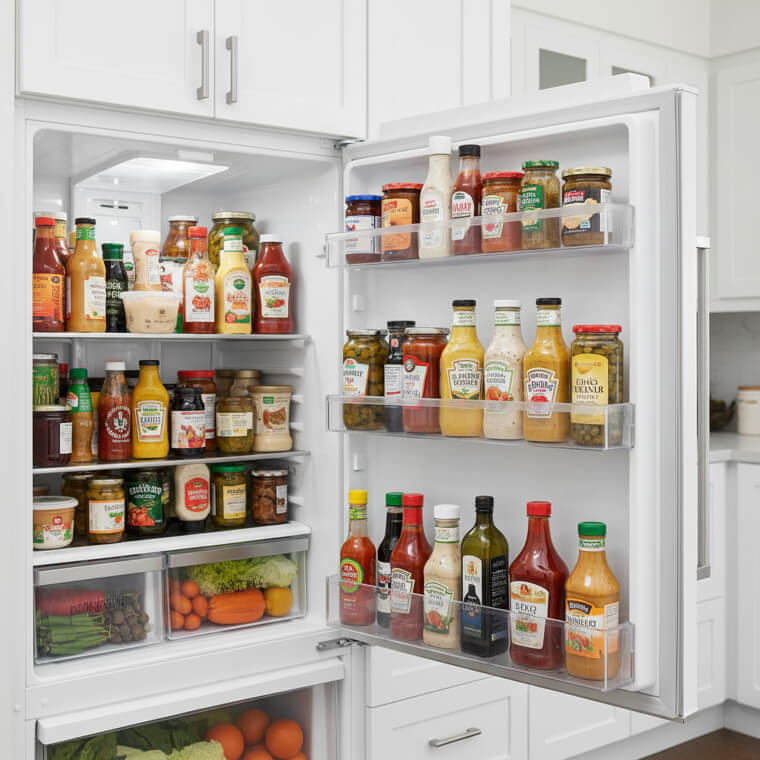
All those bottles and jars add thermal mass that makes your fridge work harder and creates temperature swings that affect everything inside. Every item in your door acts like a heat battery, absorbing and releasing warmth each time you open it. This constant temperature cycling degrades food quality throughout your fridge. Read labels carefully — many condiments don't actually need refrigeration after opening. Store shelf-stable items in your pantry instead. The next discovery will change how you see your freezer forever.
The Freezer Burn Prevention Secret
Everyone has opened a package from the freezer only to find it covered in ice crystals and freezer burn. What seems like inevitable freezer damage is actually caused by air exposure that's completely preventable.
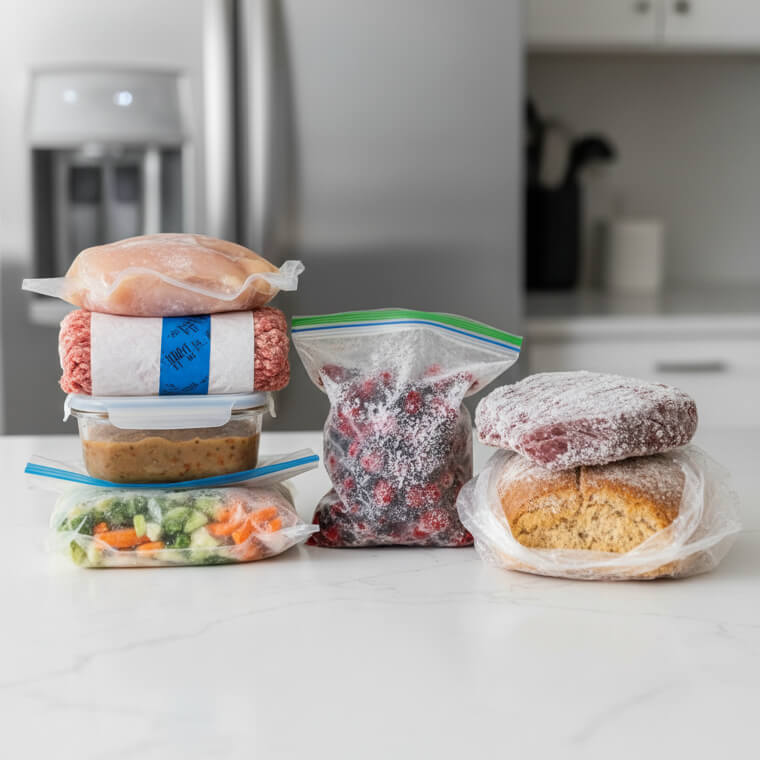
Freezer burn doesn't just affect taste — it makes perfectly good food look so unappetizing that most people throw it away, wasting the money they spent preserving it. Air is the enemy of frozen food. Every time air contacts frozen surfaces, moisture sublimates and creates those telltale ice crystals. Wrap items twice: once in plastic wrap, then in foil or freezer bags with air removed. Label with dates and rotate stock. But wait until you see how common this organization mistake is.
The Shelf Height Strategy That Changes Everything
Most people arrange their fridge shelves randomly, putting items wherever they fit. But here's the efficiency secret: your fridge has natural temperature zones that work better for different types of food.
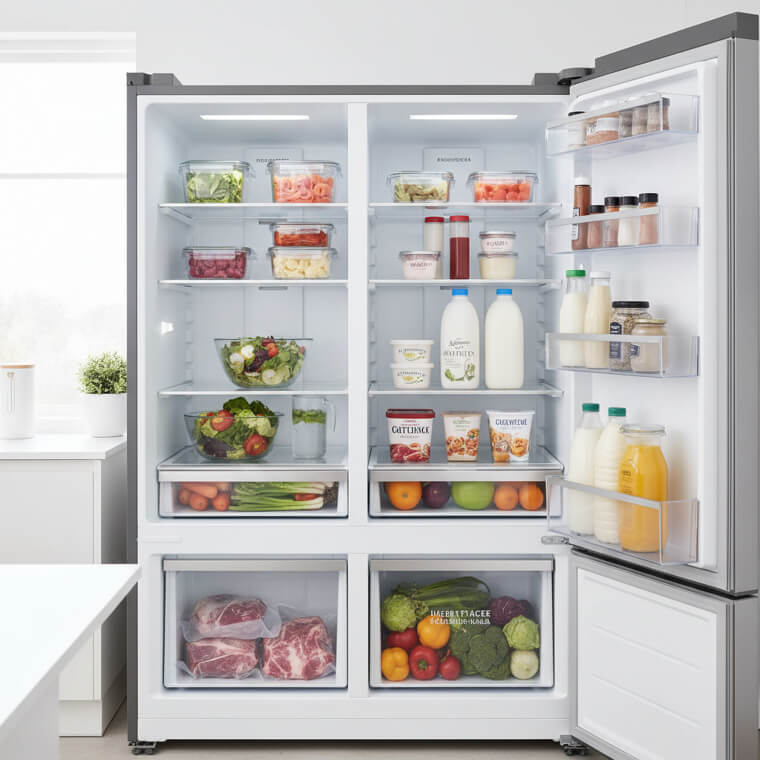
Using the wrong zones for the wrong foods creates a domino effect of spoilage that can double your food waste without you realizing it. Cold air sinks, so your bottom shelves are coldest, middle shelves are most stable, and top shelves are slightly warmer but most visible. Top shelf: leftovers and ready-to-eat items. Middle shelves: dairy and eggs. Bottom shelf: raw meat and fish. This matches temperature needs with natural zones. The next mistake happens in every household.
The Clear Container Revolution
It's natural to store leftovers in whatever containers you have available. What most people don't realize is that opaque containers make food invisible, and invisible food becomes forgotten food.
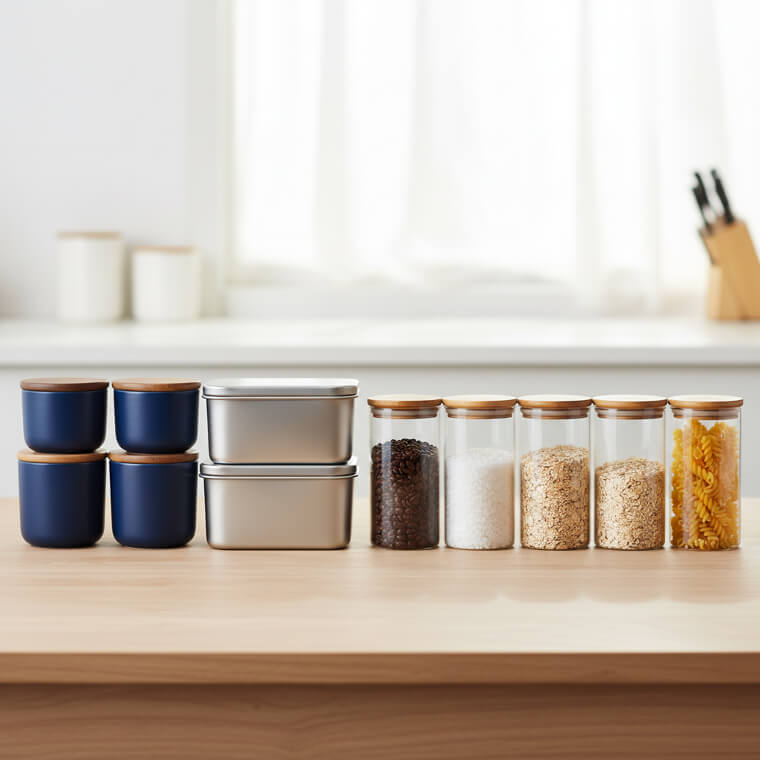
Using containers you can't see through is like putting your food in a black hole — out of sight means it won't get eaten until it's too late. Your brain processes visual cues faster than memory. When you can see your food, you're 5x more likely to eat it before it spoils. Invest in clear, glass containers for leftovers. You'll instantly see what you have and how fresh it looks. Most people skip this next step, but it's the game-changer.
The Weekly Inventory That Prevents Waste
Everyone checks their fridge before grocery shopping, but most people just glance quickly. What successful meal planners know is that a systematic weekly inventory prevents 90% of food waste before it happens.
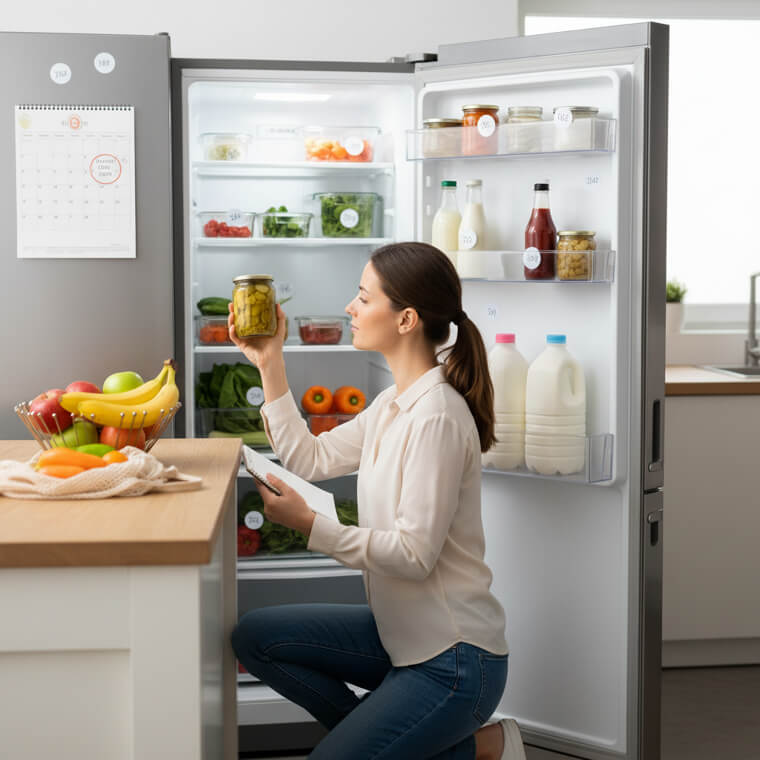
Without knowing exactly what you have and when it expires, you're shopping blind and creating a cycle of overbuying and waste. Memory is unreliable when it comes to expiration dates and quantities. What you think you have isn't always what's actually there. Spend 5 minutes every week checking dates, quantities, and condition. Move items close to expiring to your 'eat first' zone. But there's an even simpler visual trick that works instantly.
The Color-Coding System That Saves Hundreds
Most people rely on memory to track when different foods need to be used. But here's what professional chefs know: a simple color system eliminates guesswork and prevents expensive oversights.
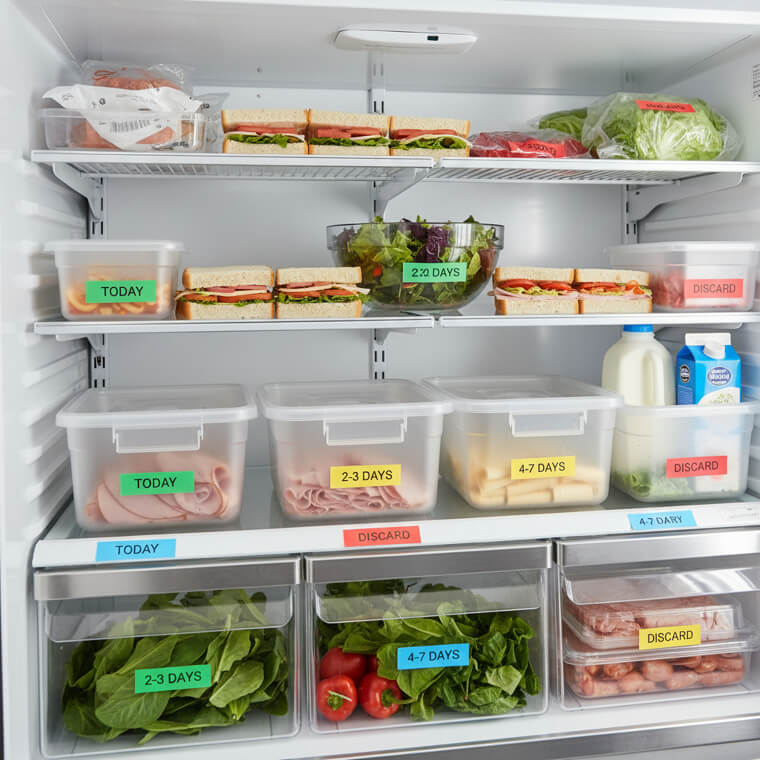
When you can't instantly see what needs to be used first, perfectly good food gets buried and forgotten while you use fresher items instead. Your brain processes color faster than reading dates. A visual system works even when you're tired or in a hurry. Use colored tape or dots: red for 'use today,' yellow for 'use this week,' green for 'still fresh. ' Apply to containers and packages. The emotional impact of the next one will surprise you.
The Meal Planning Connection You're Missing
Most people plan meals and organize their fridge as completely separate activities. What meal planning experts understand is that your fridge layout should directly support your planned meals for maximum efficiency.
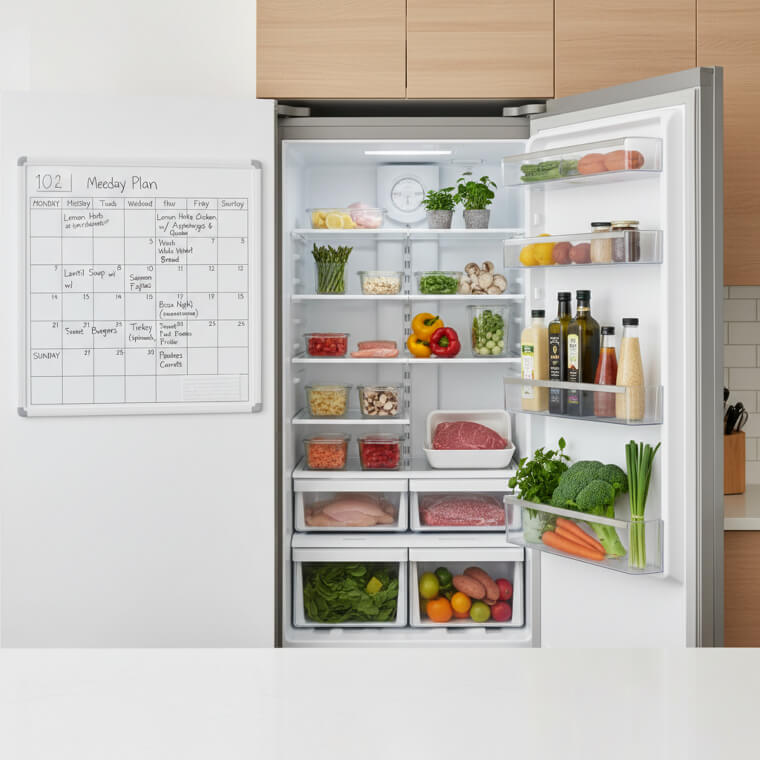
When your fridge organization doesn't match your meal plans, you waste time searching for ingredients and often discover spoiled items you bought specifically for planned dishes. Meal planning without fridge strategy is like having a map but no compass. You know where you want to go but can't navigate efficiently. Group ingredients for planned meals together. Keep early-week meal ingredients most accessible and visible. But there's one more crucial element most people completely overlook.
The Temperature Monitor That Pays for Itself
Everyone assumes their refrigerator maintains the right temperature automatically. But here's what appliance repair technicians see constantly: refrigerators running too warm without owners realizing it until food spoils faster than expected.
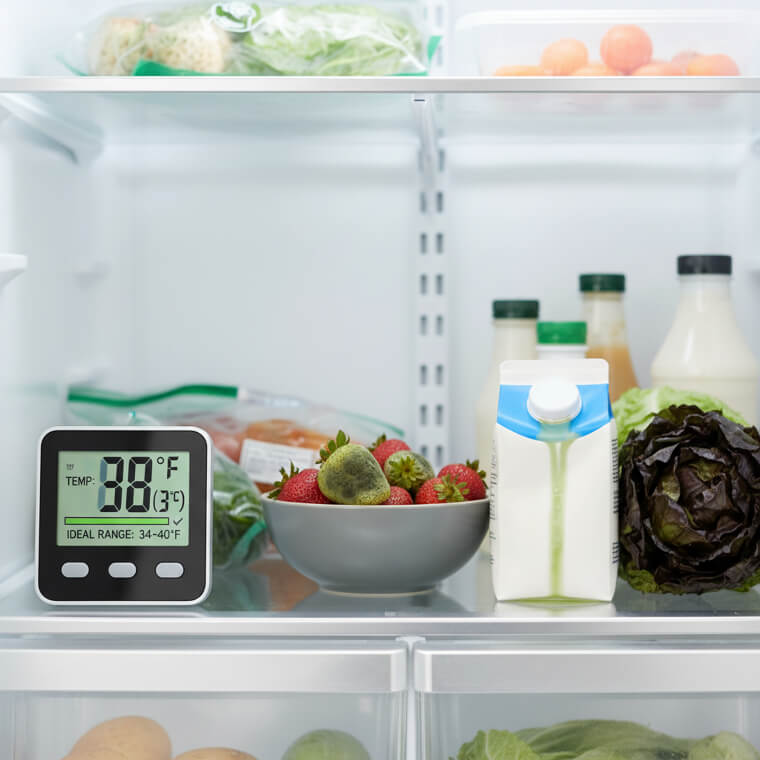
A refrigerator running just 5 degrees too warm can double your food waste, costing hundreds of dollars annually in spoiled groceries. Refrigerator thermostats can drift over time, and most people never check if their fridge is actually maintaining safe temperatures. Place a thermometer in your main compartment. Ideal temperature is 37-38°F. If it's consistently above 40°F, adjust settings or call for service. This final revelation ties everything together perfectly.
The 24-Hour Rule That Changes Everything
Most people try to reorganize their entire fridge system all at once and get overwhelmed. What behavior change experts know is that sustainable habits form through small, consistent actions rather than dramatic overhauls.
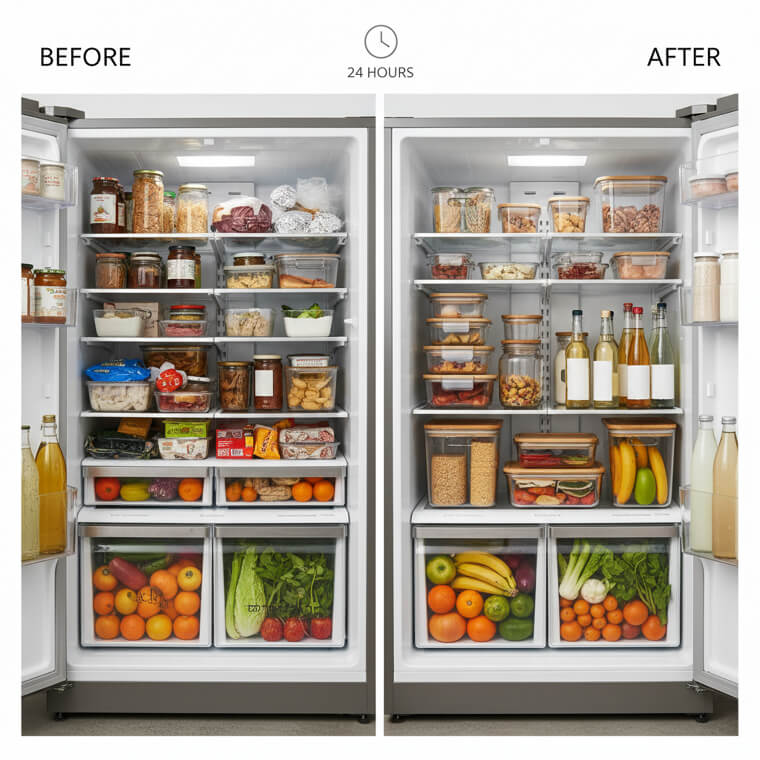
Trying to implement every strategy simultaneously often leads to abandoning the system entirely when life gets busy. Your brain adapts to one change at a time much more easily than multiple simultaneous changes. Small wins build momentum for bigger transformations. Implement just one strategy per week. Start with moving leftovers to eye level — the change you'll notice immediately. It's not about achieving perfection overnight. It's about creating simple systems that save money and reduce waste naturally. Small changes in how you organize your fridge can easily save you $50-100 per month in prevented food waste. Your future self will thank you for starting today. ***We hope you enjoyed the story about A Simple Fridge Layout That Reduces Food Waste. The events portrayed in this story are drawn from real-life experiences. However, names, images, and some details have been modified to protect the identities and privacy of the individuals involved.